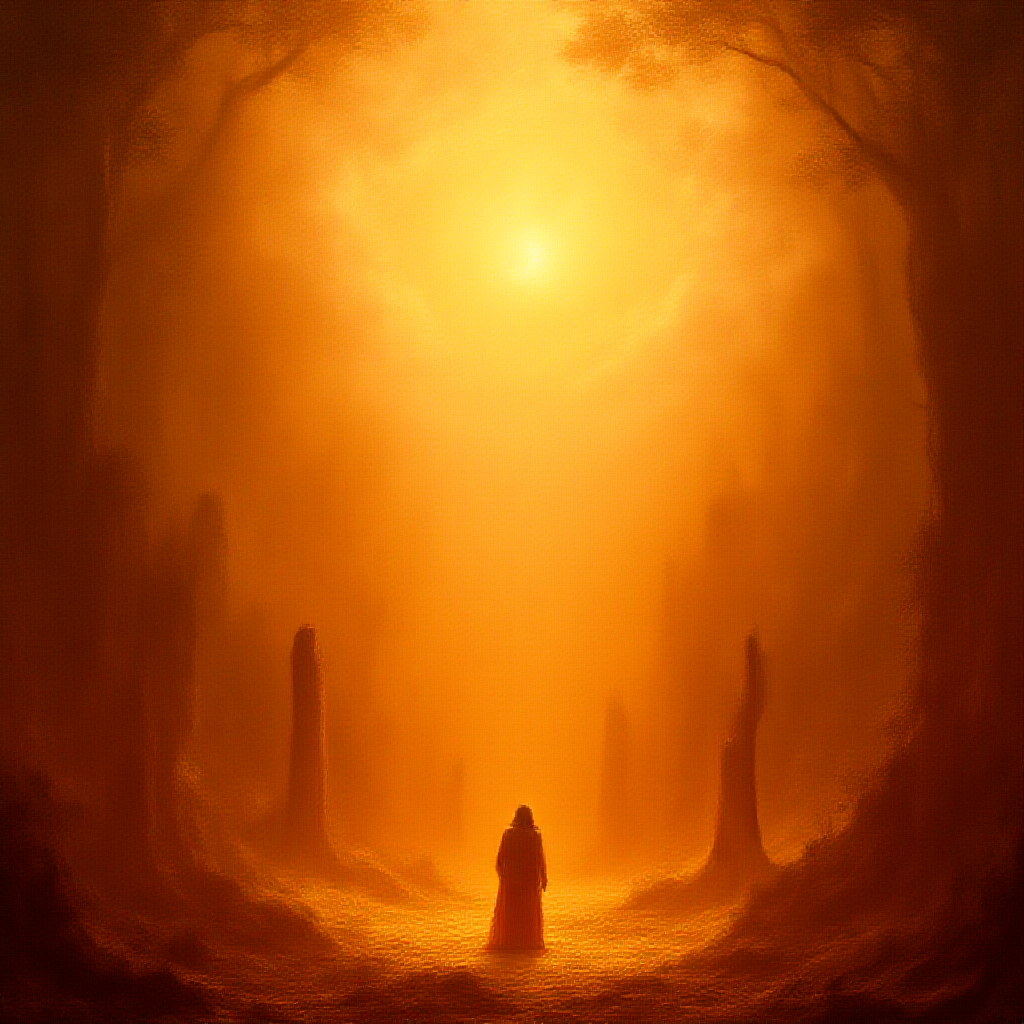
Creation of Adam
4004 BC
📖 About This Event
God formed the first man, Adam, from the dust of the ground and breathed into his nostrils the breath of life, making him a living being. The name 'Adam' (Hebrew: adam) means both 'man' and 'earth,' emphasizing the intimate connection between humanity and the created order. Genesis 2 provides a more intimate account of Adam's creation, describing God as a divine craftsman who forms man with His own hands. After creating Adam, God placed him in the Garden of Eden, a paradise of perfect communion between Creator and creature, and gave him the commandment to tend the garden and the prohibition against eating from the tree of the knowledge of good and evil.
Adam's creation establishes the dignity of the human person as the crown of creation. Made in the image and likeness of God (Genesis 1:27), humanity possesses a unique relationship with the Creator that no other creature shares. The Catholic Church teaches that every human person, from conception to natural death, bears the imprint of God and is called to communion with Him. The breath of God that animated Adam is the same Spirit who animates all human beings, making every person a temple of the Holy Spirit.
Adam also serves as a type of Christ. Just as Adam was formed from the earth and received the breath of life, so Christ would be called the 'last Adam' (1 Corinthians 15:45), who breathes the Holy Spirit upon His Church. St. Paul writes that 'just as in Adam all die, so also in Christ shall all be made alive' (1 Corinthians 15:22). The Catholic Church sees in Adam's creation the beginning of God's plan of salvation, a plan that would reach its fulfillment in the Incarnation of His Son. Key Scripture: Genesis 1:26-27; 2:7-17; 1 Corinthians 15:22,45; Psalm 8; CCC 355-359