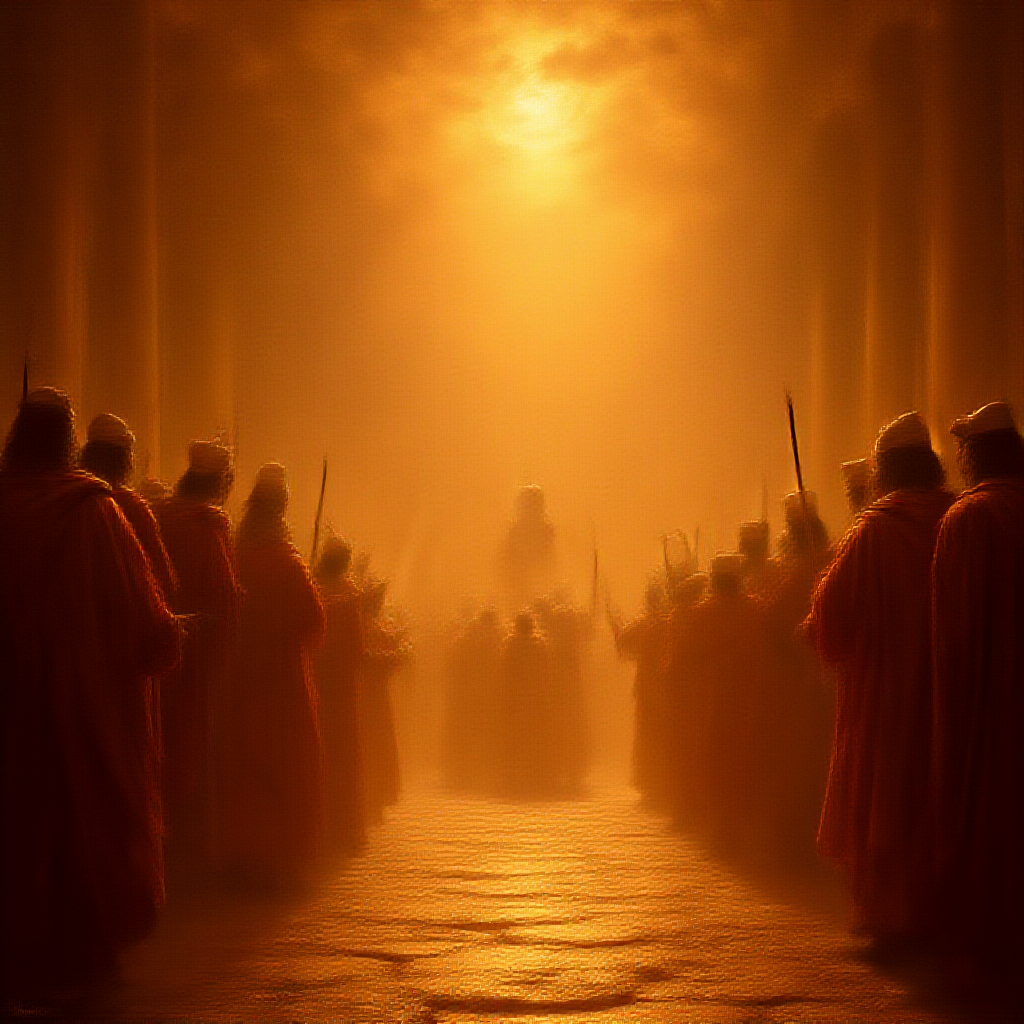
Hezekiah's Reforms
713 BC
📖 About This Event
Hezekiah, son of Ahaz, was one of the few good kings of Judah. He reigned for 29 years (715-686 BC) and 'did what was right in the eyes of the Lord, according to all that David his father had done' (2 Kings 18:3). His reforms were sweeping and radical: he broke in pieces the bronze serpent that Moses had made (which had become an object of idolatry), removed the high places, cut down the sacred pillars, and tore down the Asherah poles. He even broke down the entrance to the Temple that King Uzziah had made to prevent the people from entering, restoring proper access to God's house.
Hezekiah's most dramatic reform was the restoration of Passover. He sent word throughout Israel and even to the northern kingdom (which was already under Assyrian threat), inviting all who sought the Lord to come to Jerusalem and keep the Passover. Despite initial mockery from the remnants of the northern tribes, many responded, and 'a great congregation was gathered in Jerusalem to keep the Feast of Unleavened bread' (2 Chronicles 30:23-27). It was the most joyful Passover since the days of Solomon.
Hezekiah's faith was tested when Sennacherib of Assyria besieged Jerusalem, but God sent an angel who struck down 185,000 Assyrian soldiers in a single night. Key Scripture: 2 Kings 18-20; 2 Chronicles 29-32; Isaiah 36-39; CCC 56