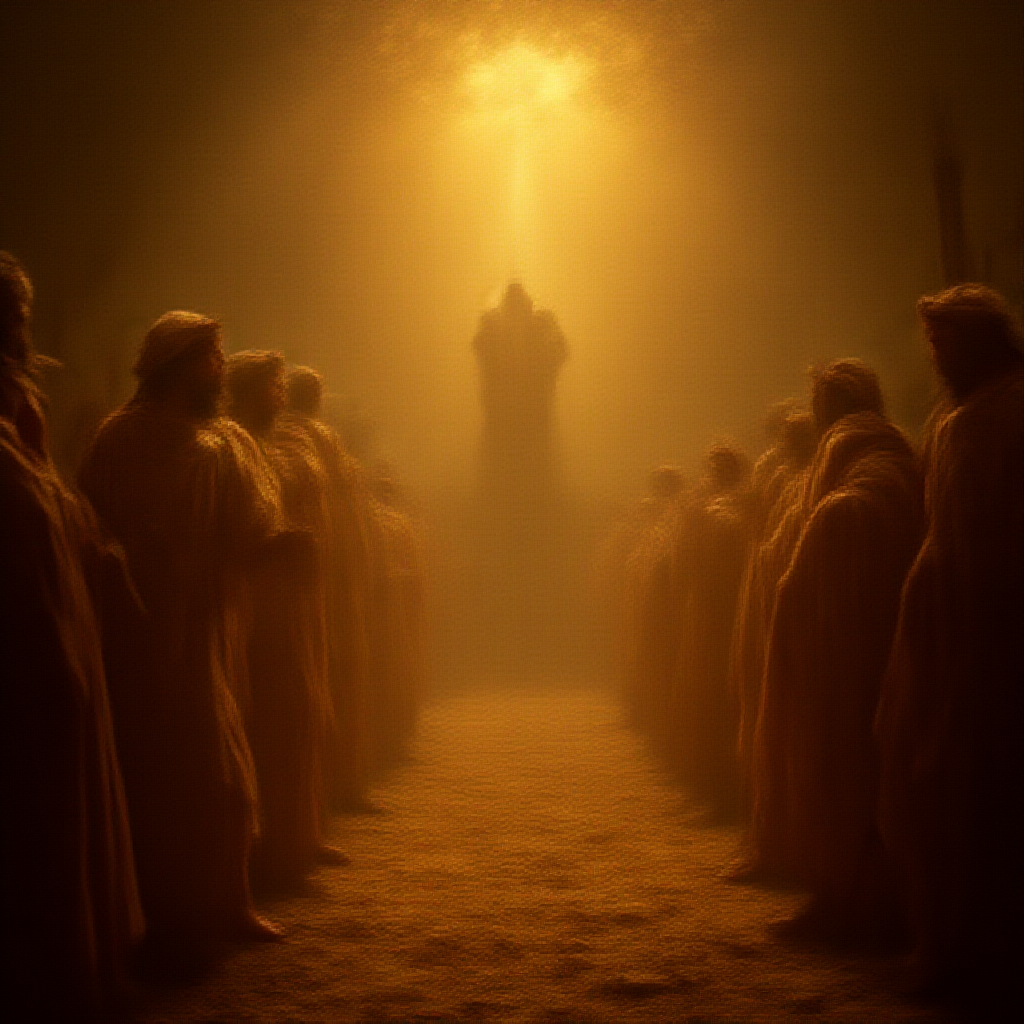
Martyrdom of St. Peter
64 AD
📖 About This Event
St. Peter, the Rock upon whom Christ built His Church (Matthew 16:18), was martyred in Rome during the persecution of Emperor Nero, approximately 64 AD. After Pentecost, Peter served as the leader of the Jerusalem church, performed miracles, preached the Gospel, and traveled to Antioch and Corinth before ultimately arriving in Rome, the center of the Roman Empire. According to tradition, Peter established the See of Rome, becoming its first bishop—a line of succession that continues in the papacy to this day.
Peter's martyrdom was by crucifixion, and according to the early Christian writer Origen (citing Tradition), Peter requested to be crucified upside down, saying he was not worthy to die in the same manner as his Lord. The Catacomb of Saint Peter under the Vatican was traditionally identified as his burial site, and archaeological excavations in the 1940s confirmed a burial site from the first century beneath the later basilica built by Emperor Constantine. Pope Paul VI declared in 1968 that the remains found there were very likely those of Peter.
The Catholic Church honors St. Peter as the Prince of the Apostles and the first Pope. His confession of faith—'You are the Christ, the Son of the living God'—is the foundation of the Church's identity. Key Scripture: Matthew 16:18-19; John 21:15-19; Acts 2; 1 Peter 5:1-4; CCC 552-553, 880-881