Prophet Jonah
550 BC
📖 About This Event
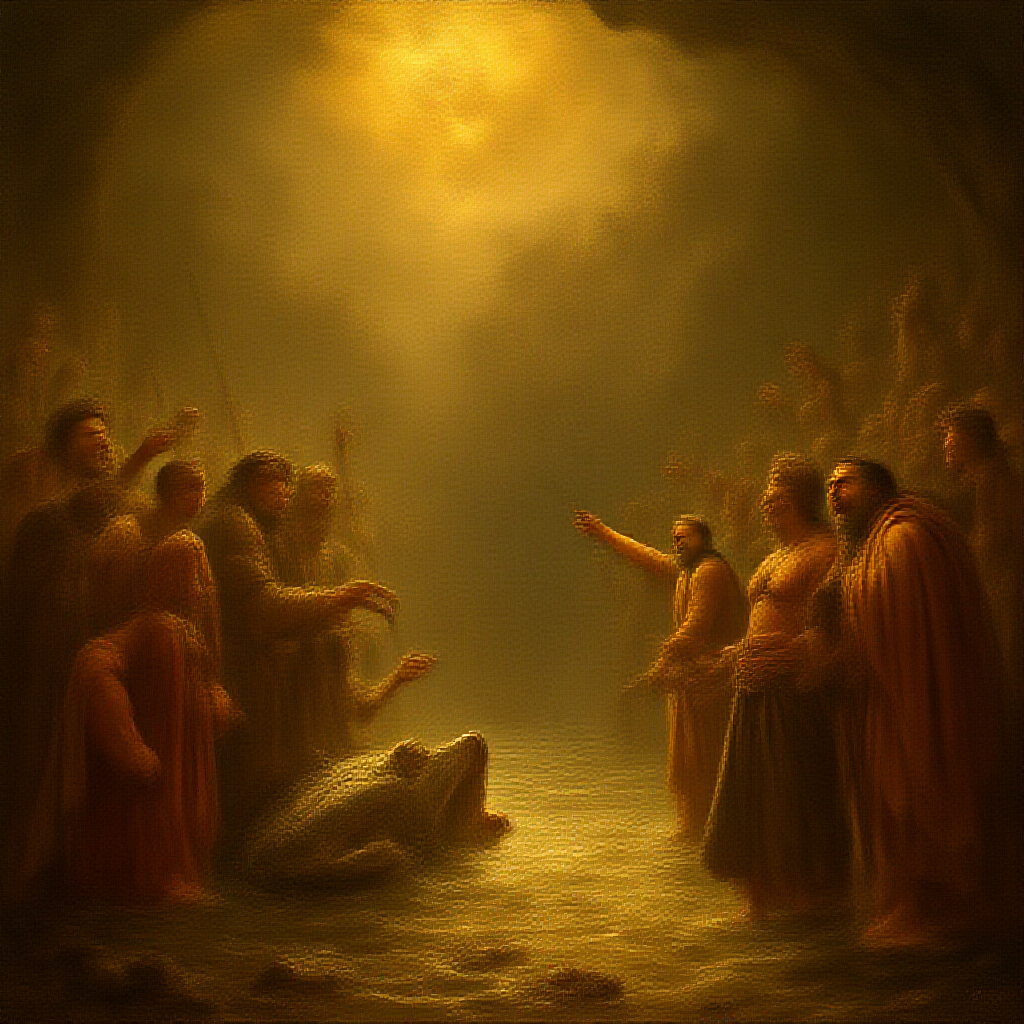
The Prophet Jonah is one of the most famous and enigmatic figures in the Old Testament. Called by God to go to Nineveh, the capital of the Assyrian Empire, and proclaim judgment against its wickedness, Jonah did the opposite—he fled to Tarshish (in the direction of Spain) by ship. But God sent a great storm, and the sailors, discovering that Jonah was the cause, threw him overboard. 'Now the Lord had appointed a great fish to swallow up Jonah. And Jonah was in the belly of the fish three days and three nights. Then Jonah prayed to the Lord his God from the belly of the fish, and the Lord commanded the fish, and it vomited Jonah onto the dry land' (Jonah 1:17; 2:10). Then Jonah went to Nineveh and proclaimed, 'Yet forty days, and Nineveh shall be overthrown!' The people of Nineveh, from the greatest to the least, believed God and proclaimed a fast, and God saw their works that they turned from their evil way, and He relented of the disaster that He had said He would do to them.
Jonah's story is rich with typological significance. Jesus Himself appealed to the 'sign of the prophet Jonah' as a prophecy of His death and resurrection: 'For just as Jonah was three days and three nights in the belly of the great fish, so will the Son of Man be three days and three nights in the heart of the earth' (Matthew 12:40). Jonah's three days in the fish prefigure Christ's three days in the tomb, and his emergence from the fish prefigures Christ's resurrection. The conversion of Nineveh, a pagan city, demonstrates that God's mercy extends to all nations, not just Israel.
Jonah's anger at God's mercy toward Nineveh—'I knew that you are a gracious God and merciful, slow to anger and abounding in steadfast love, and relents from disaster' (Jonah 4:2)—reveals a narrow nationalism that God rebukes. The Catholic Church sees in Jonah's story a lesson in universal mercy: God desires the salvation of all people, Jew and Gentile alike, and His compassion extends beyond the boundaries of Israel. Key Scripture: Jonah 1-4; Matthew 12:39-41; Luke 11:29-32; CCC 594