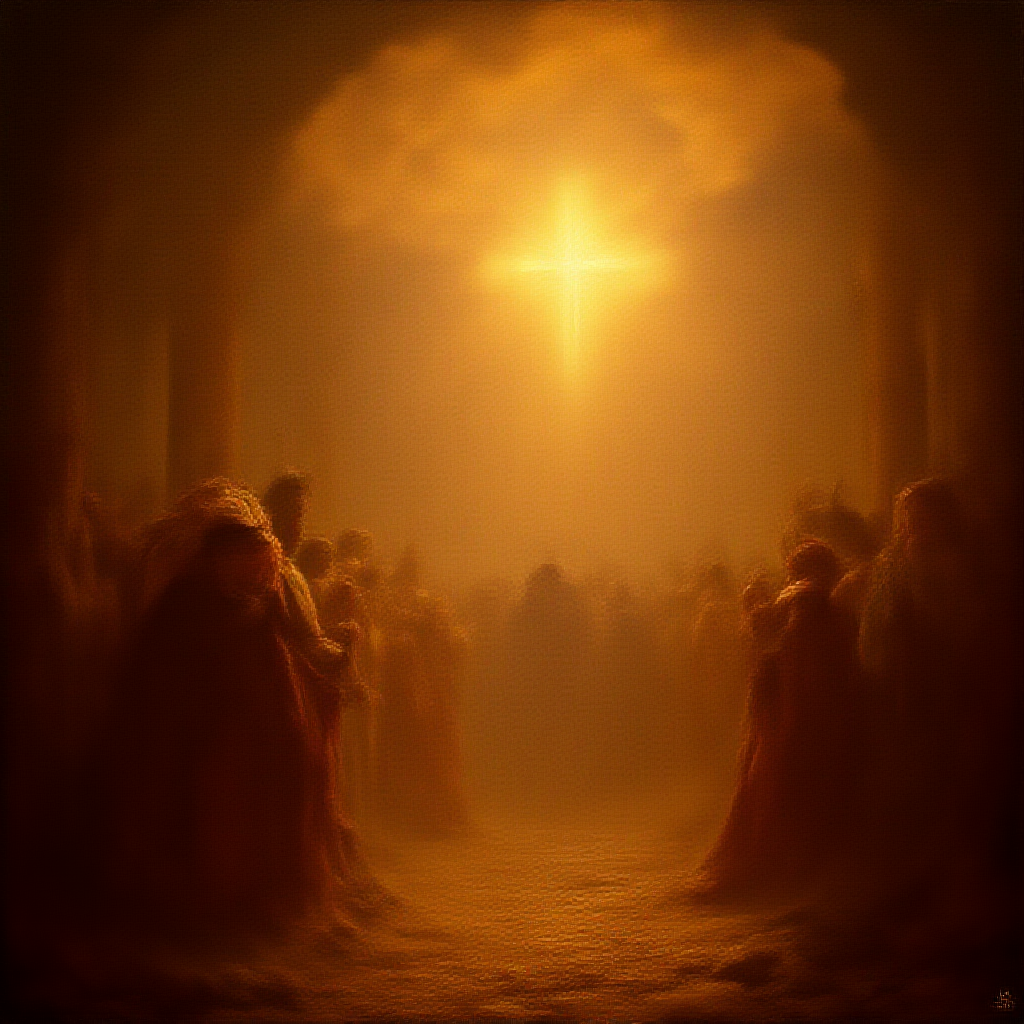
Prophet Zechariah
540 BC
📖 About This Event
The Prophet Zechariah, a contemporary of Haggai, prophesied in 520-518 BC, encouraging the returned exiles to rebuild the Temple. Zechariah's prophecies are filled with vivid apocalyptic visions—riding men in chariots, a man with a measuring line, a high priest standing before an angel, a golden lampstand, a flying scroll, a woman in a basket, four craftsmen, and a crown to be placed on the head of the high priest Joshua. One of Zechariah's most famous Messianic prophecies concerns the coming of a humble king: 'Rejoice greatly, O daughter of Zion! Shout aloud, O daughter of Jerusalem! Behold, your king is coming to you; righteous and having salvation is he, humble and mounted on a donkey, on a colt, the foal of a donkey' (Zechariah 9:9). This prophecy was fulfilled when Jesus entered Jerusalem on a donkey during Holy Week (Matthew 21:1-11; John 12:12-19).
Zechariah also prophesied the suffering of the Messiah: 'Awake, O sword, against my shepherd, against the man who stands next to me, declares the Lord of hosts. Strike the shepherd, and the sheep will be scattered, and I will turn my hand against the little ones' (Zechariah 13:7). Jesus quoted this prophecy at the Last Supper when He predicted that He would be struck down and the disciples would be scattered (Matthew 26:31). Zechariah's vision of the suffering servant who is 'pierced'—'They will look on me, on him whom they have pierced' (Zechariah 12:10)—is cited in the Gospel of John as referring to the spear wound in Christ's side (John 19:37).
The Catholic Church sees in Zechariah's visions a rich tapestry of Messianic prophecy that finds its fulfillment in the life, death, and glorification of Jesus Christ. The humble king on a donkey, the pierced shepherd, the cleansing of the priests—all point to the coming of the Messiah who would establish God's kingdom in power and glory. Key Scripture: Zechariah 9:9; 12:10; 13:7; Matthew 21:1-11; John 12:14-15; 19:37; CCC 431-432