Second Babylonian Exile
586 BC
📖 About This Event
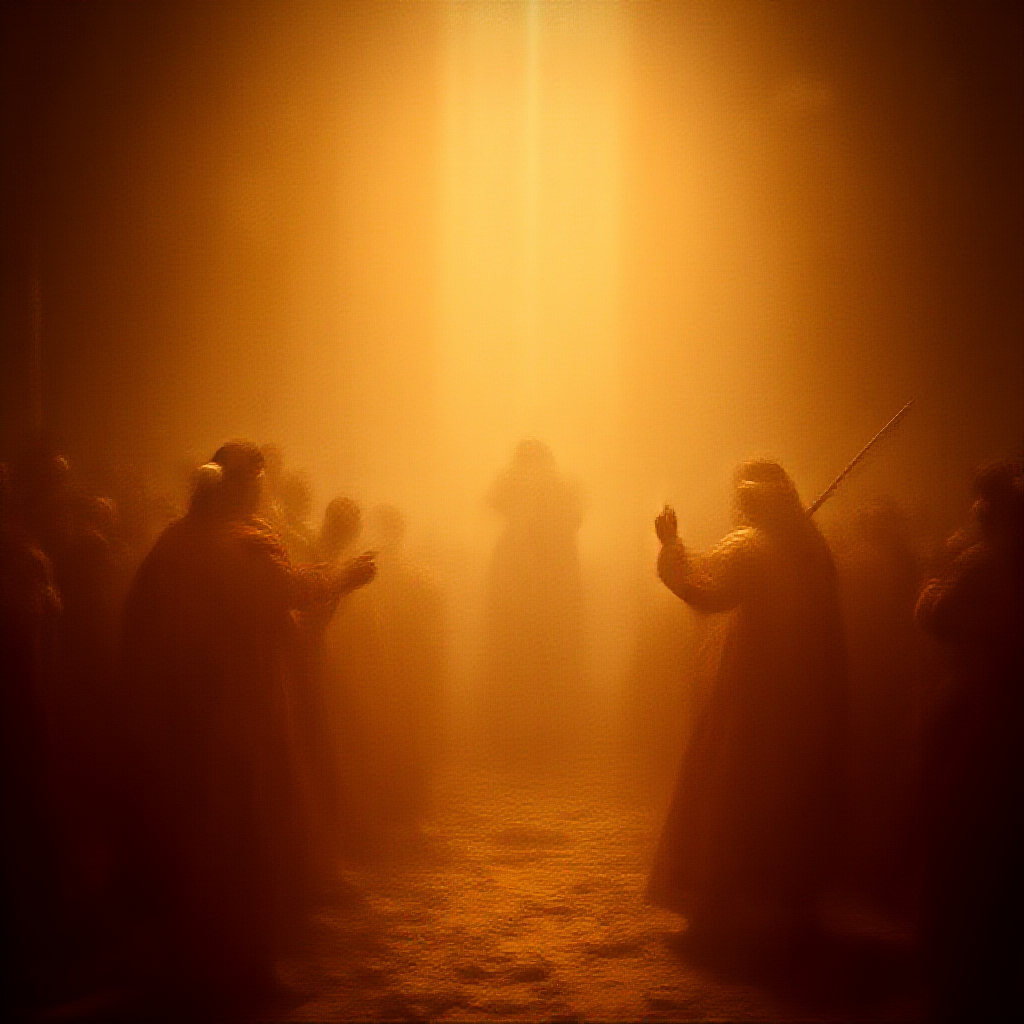
The Second Babylonian Exile began in 586 BC when Nebuchadnezzar II of Babylon destroyed Jerusalem and Solomon's Temple. The city walls were torn down, the Temple was burned, and the elite of Judah — the king's family, warriors, craftsmen, and officials — were carried away to Babylon. King Zedekiah, who had rebelled against Babylon, watched his sons being killed before his eyes and then was blinded and taken to Babylon in chains. This was the fulfillment of the warnings given by the prophet Jeremiah, who had urged submission to Babylon as God's instrument of judgment.
In exile, the Jewish people faced the deepest crisis of their history. The Temple was destroyed, the Davidic monarchy was ended, and the land was lost. Yet it was in exile that the foundations of Jewish identity were laid: the practice of synagogue worship, the study of Scripture, and the emphasis on prayer and Sabbath observance. The prophets Ezekiel and Daniel ministered in exile, offering visions of hope — Ezekiel's valley of dry bones, the new heart and new spirit, and Daniel's vision of the Son of Man receiving eternal dominion.
The exile lasted approximately 70 years, fulfilling Jeremiah's prophecy. In 539 BC, Cyrus the Great of Persia conquered Babylon and issued a decree allowing the exiles to return and rebuild the Temple. The Catholic Church sees the exile as a type of the human condition — separation from God — and the return as a foreshadowing of the redemption Christ would bring. Key Scripture: 2 Kings 24-25; Jeremiah 39, 52; Ezekiel 1-3; Daniel 1; Lamentations; Isaiah 40-55; CCC 588-592