Council of Trent
1545 AD
📖 About This Event
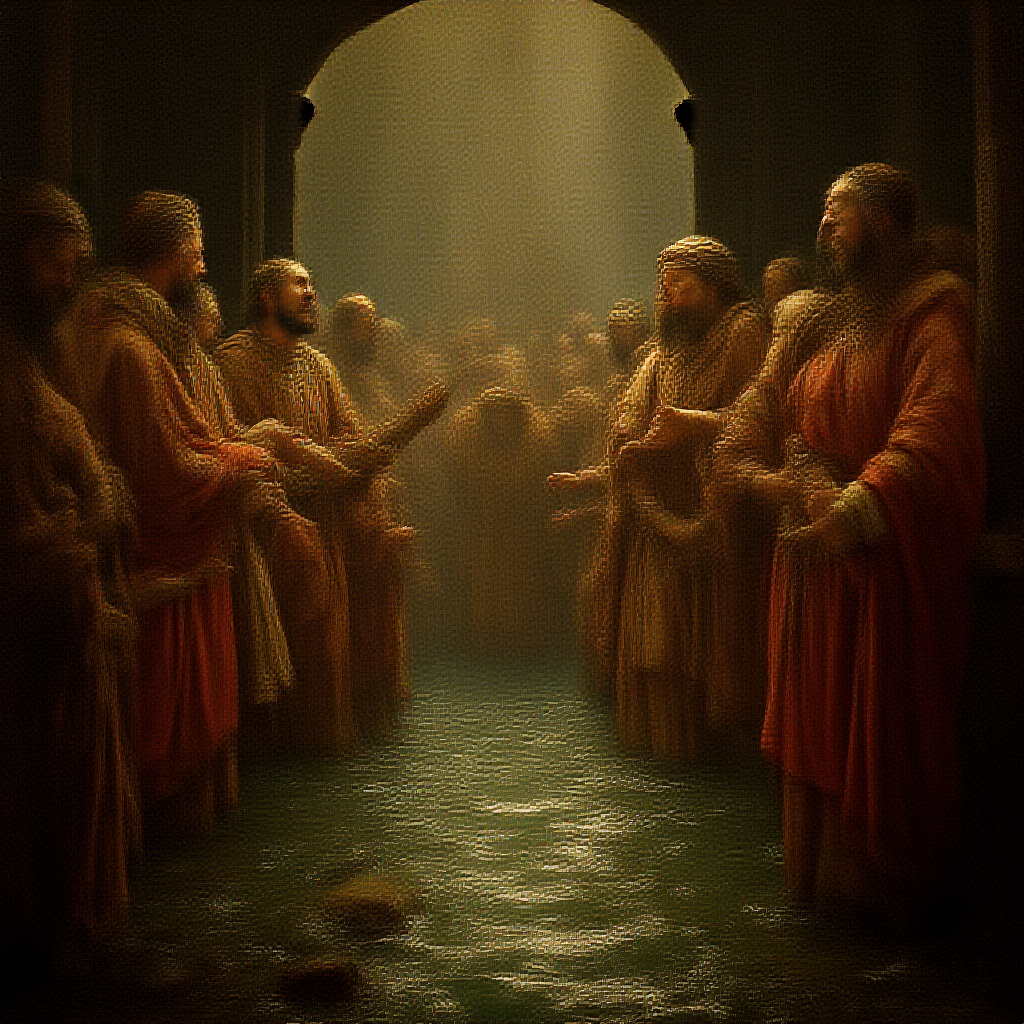
The Council of Trent (1545-1563), the 19th Ecumenical Council, was the Catholic Church's comprehensive response to the Protestant Reformation. Convened by Pope Paul III and spanning 18 years across three phases, the council produced definitive statements on doctrine and sweeping reforms in church discipline. On doctrine, Trent affirmed the authority of both Scripture and Tradition, the seven sacraments, justification by faith working through love (not faith alone), transubstantiation, the veneration of saints and relics, purgatory, and the necessity of good works for salvation.
On reform, Trent mandated the establishment of seminaries for the proper education of priests, required bishops to reside in their dioceses, ended the sale of indulgences and other abuses, standardized the liturgy (producing the Tridentine Mass), and established the Index of Forbidden Books. The council's reforms revitalized the Catholic Church and launched the Counter-Reformation, a period of spiritual renewal that produced saints, missionaries, and theologians who strengthened the Church for centuries.
The Catholic Church considers Trent one of the most important councils in her history, defining doctrines that remain central to Catholic identity. Key Scripture: James 2:14-26; Matthew 16:18-19; John 6:51-58; CCC 80, 111-114, 606, 1005, 1374