Death of Josiah
609 BC
📖 About This Event
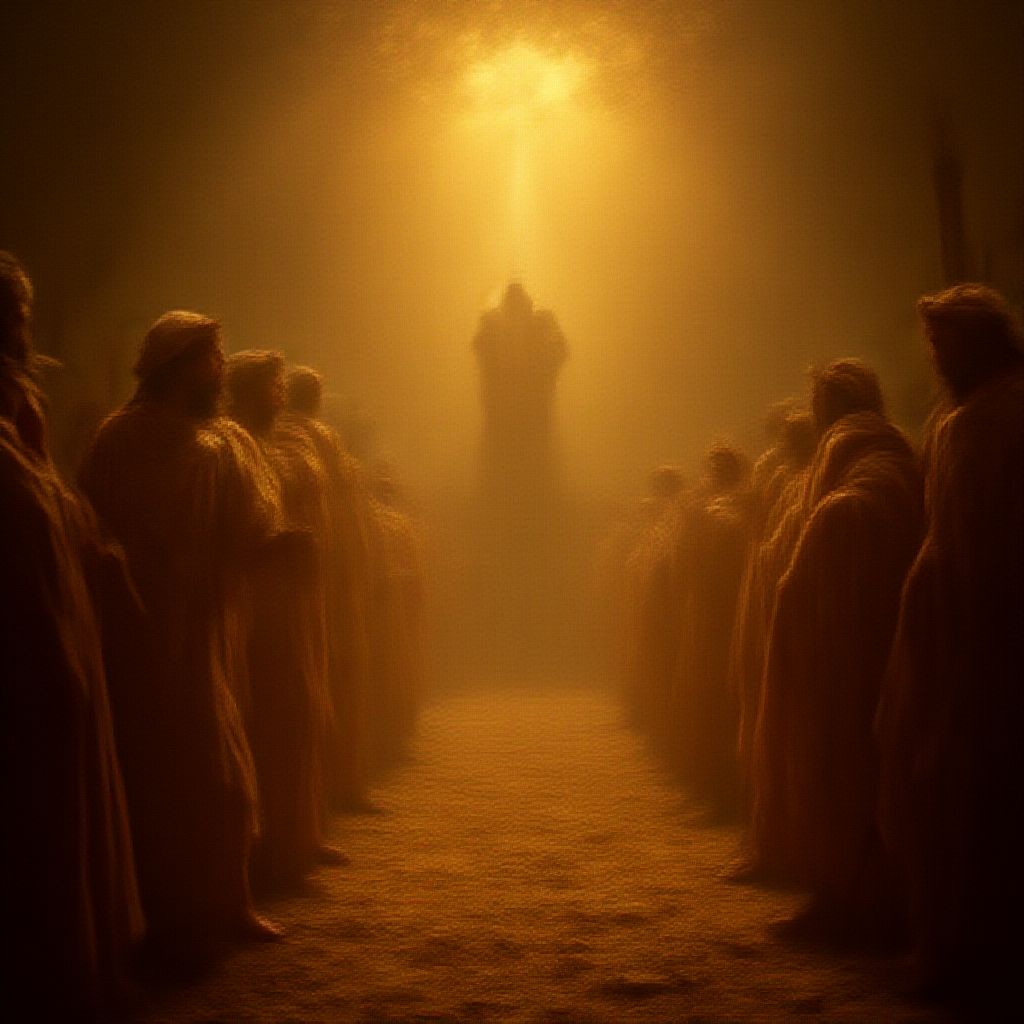
Josiah, the reformer king of Judah, died at the Battle of Megiddo in 609 BC at the age of 39, struck by arrows while confronting Pharaoh Neco II, who was marching north to support the Assyrians against the Babylonians. Despite Josiah's prophets warning him not to fight against Neco ('What have you to do with us, O king of Judah?' 2 Chronicles 35:21), Josiah disguised himself and went out to battle. His death was a devastating blow to Judah, and the kingdom never recovered from the loss of its greatest reformer.
The people of Jerusalem lamented Josiah's death, and Jeremiah composed a elegy for him: 'Alas for our king, alas for our glory! Alas for our pain! Alas for our hearts!' (2 Chronicles 35:25). After Josiah's death, his sons Jehoahaz, Jehoiakim, and Jehoiachin reigned in quick succession, all of them turning away from the reforms their father had established. Judah became a pawn between Egypt and Babylon, and the exile that Josiah's reforms had temporarily delayed became inevitable.
The Catholic Church sees in Josiah's death the fragility of human reform without a conversion of heart in the entire people. Josiah's reforms were genuine, but they could not undo generations of apostasy. True reform requires the grace of God working in the hearts of all the people. Key Scripture: 2 Kings 23:28-30; 2 Chronicles 35:20-27; Jeremiah 34:5; CCC 56