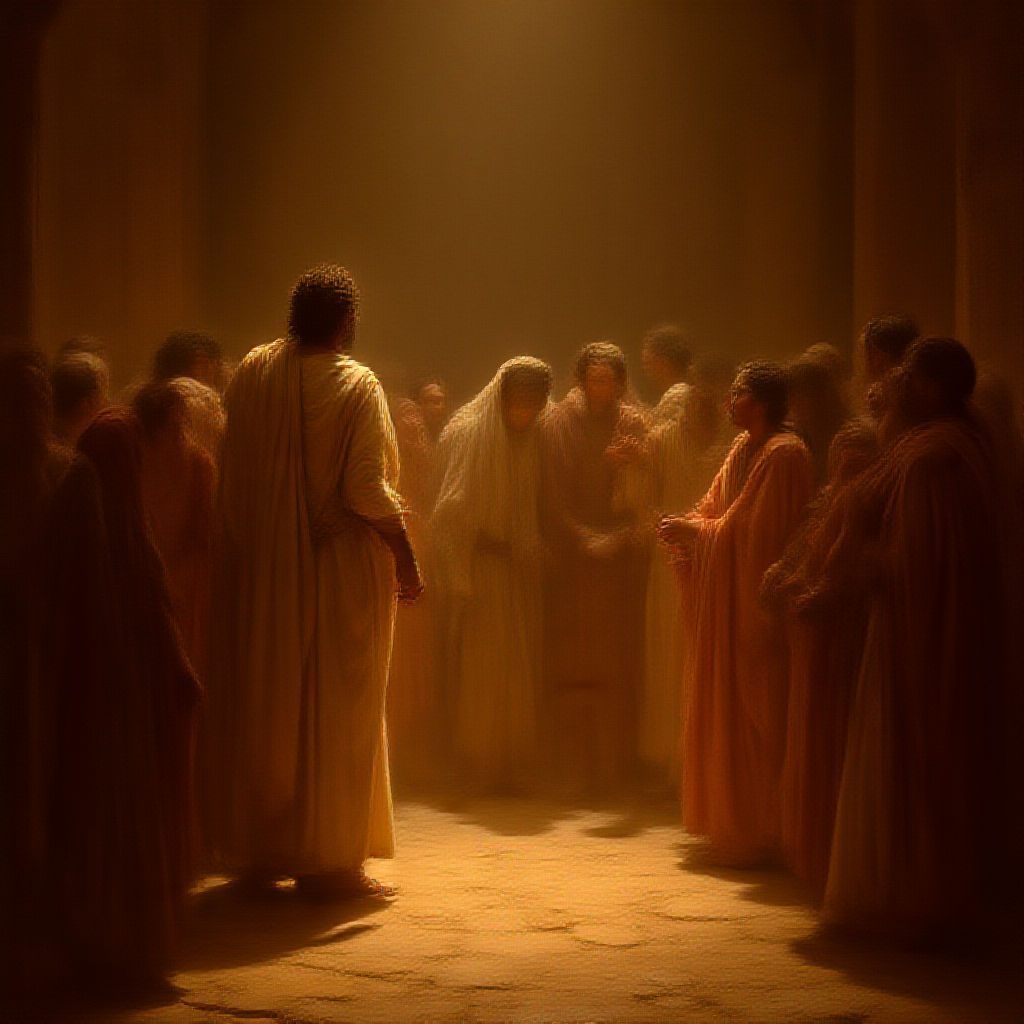
Joseph in Potiphar's House
1811 BC
📖 About This Event
After being sold into Egypt by his brothers, Joseph was purchased by Potiphar, captain of the guard and an official of Pharaoh. Genesis 39 records that 'the Lord was with Joseph, and he was a successful man, and he was in the house of his Egyptian master. When his master saw that the Lord was with him and that the Lord caused all that he did to succeed in his hands, Joseph found favor in his sight and attended him.' Joseph's integrity and competence elevated him to manager of Potiphar's entire household.
Joseph's time in Potiphar's house tested his moral character in the most intimate way. Potiphar's wife repeatedly tried to seduce Joseph, but he refused, saying, 'How then can I do this great wickedness and sin against God?' (Genesis 39:9). When she grabbed his garment and he fled, she kept the garment as evidence and falsely accused him. Potiphar, enraged, threw Joseph into prison. Despite his innocence, Joseph remained faithful, and 'the Lord was with Joseph and showed him steadfast love and gave him favor in the sight of the keeper of the prison.'
The Catholic Church sees in Joseph's refusal to sin a model of chastity and integrity. His statement 'How can I sin against God?' demonstrates that moral decisions are ultimately about one's relationship with God. Joseph's unjust suffering prefigures Christ's unjust suffering. Key Scripture: Genesis 39; Genesis 50:20; CCC 2337-2339