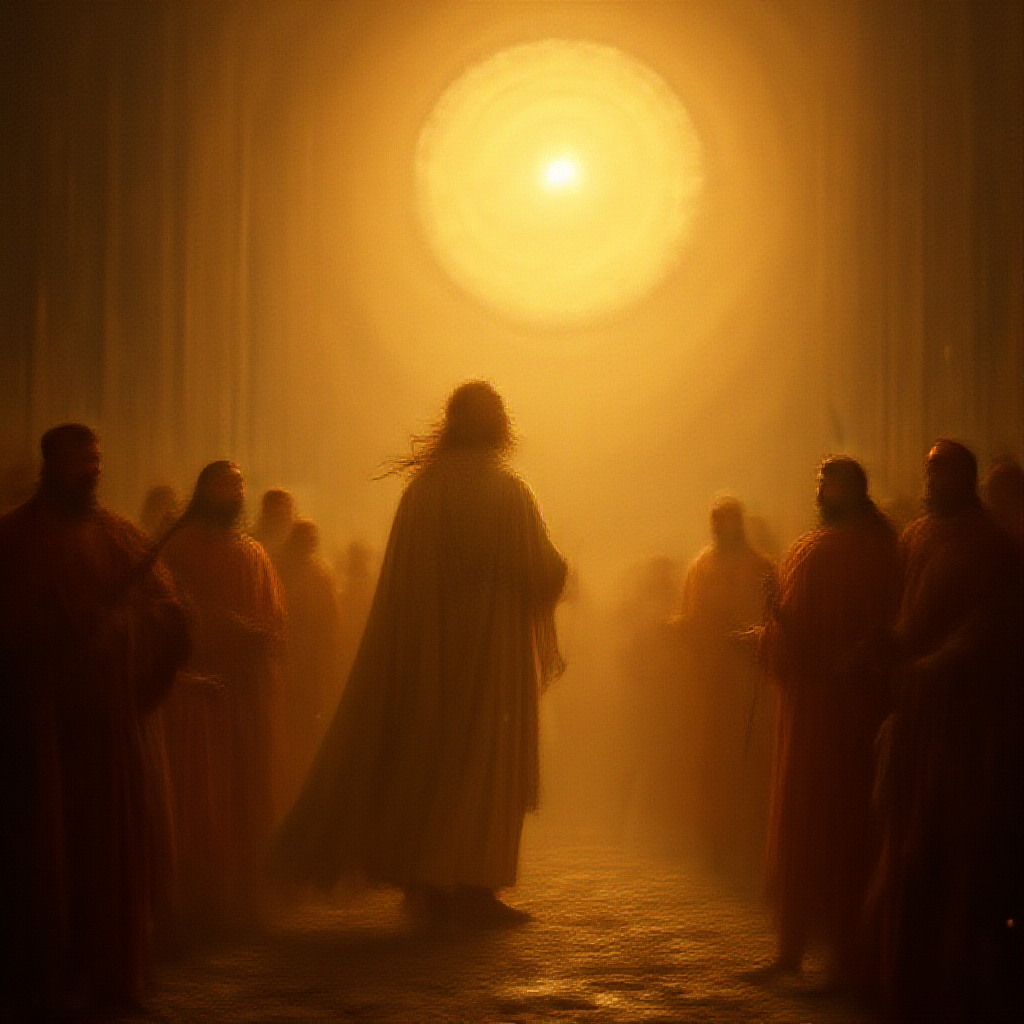
Prophet Malachi
520 BC
📖 About This Event
The Prophet Malachi, the last of the Old Testament prophets, prophesied in the post-exilic period, approximately 430 BC. His name means 'My Messenger,' and his book takes the form of a series of disputes between God and His people. The people had returned from exile and rebuilt the Temple, but their worship had become routine and half-hearted. They were offering defective sacrifices, neglecting the tithe, marrying foreign women, and questioning God's love.
Malachi's prophecy addresses these failures with pointed questions: 'If I am a father, where is my honor? And if I am a master, where is my fear?' (Malachi 1:6). He condemned the priests who offered blemished animals on the altar, the people who withheld tithes, and those who divorced their wives. But his prophecy also contains messages of hope: God would send a messenger to prepare the way (identified in the Gospels as John the Baptist), the Sun of Righteousness would arise with healing in his wings, and the fear of Jacob would come to the Temple.
Malachi closes the Old Testament with a final word: 'Behold, I will send you Elijah the prophet before the great and awesome day of the Lord comes. And he will restore the hearts of the fathers to the children and the hearts of the children to the fathers, lest I come and strike the land with a decree of utter destruction' (Malachi 4:5-6). The Catholic Church sees this prophecy fulfilled in John the Baptist, who 'went before him in the spirit and power of Elijah' (Luke 1:17). Key Scripture: Malachi 3-4; Malachi 4:5-6; Luke 1:17; Matthew 11:10-14; CCC 420-421