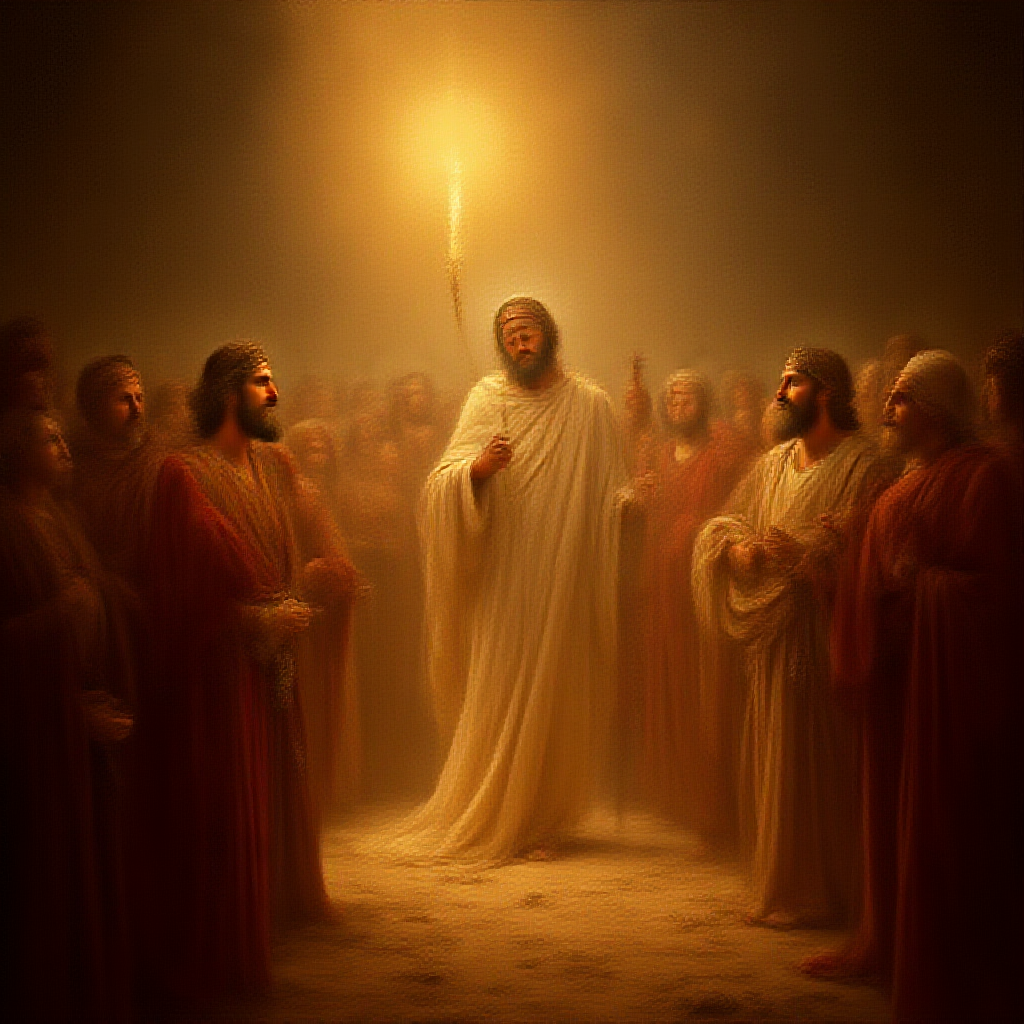
Prophet Zephaniah
689 BC
📖 About This Event
The Prophet Zephaniah, a contemporary of Jeremiah, prophesied during the reign of King Josiah of Judah (approximately 640-609 BC). Zephaniah was of royal descent—tracing his lineage back to Hezekiah—and his prophecy centers on the coming 'day of the Lord,' a time of divine judgment that would sweep across the entire earth. 'The great day of the Lord is near, near and hastening greatly; the voice of the Day of the Lord is bitter, the mighty man cries there loudly' (Zephaniah 1:14-15).
Zephaniah's prophecy begins with a universal judgment against all nations—Philistia, Moab, Ammon, Cush (Ethiopia), and Assyria—before turning to Judah itself. He condemned the idolatry, apathy, and social injustice of Jerusalem: 'They have not said in their heart, "Let me fear the Lord, the God of Israel, let me beware of his fierce wrath"' (Zephaniah 1:12). Yet amid the judgment, Zephaniah prophesied hope: God would gather the remnant, purge the lips of all peoples that they may call upon the name of the Lord, and 'rejoice over you with gladness, and renew you in my love, and sing joyfully for you, as on the day when you feast' (Zephaniah 3:17).
The Catholic Church sees in Zephaniah's prophecy the universal scope of God's judgment and mercy—God's concern extends beyond Israel to all the nations of the earth. Key Scripture: Zephaniah 1-3; Zephaniah 3:17; Joel 2:28-32; CCC 56, 763