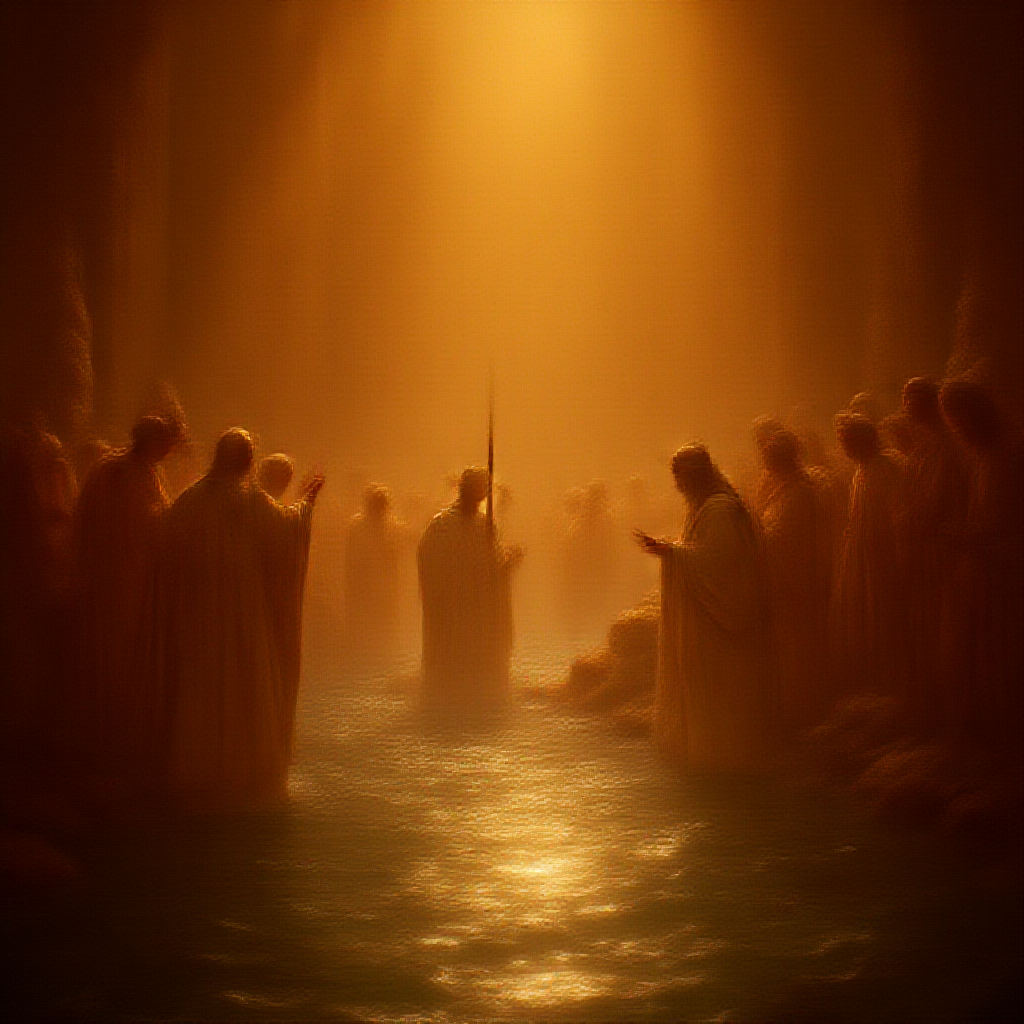
Josiah's Reforms
622 BC
📖 About This Event
Josiah's religious reforms (approximately 622 BC) represent the most comprehensive renewal of worship in the history of the kingdom of Judah. When workers repairing the Temple under the direction of High Priest Hilkiah discovered the 'Book of the Law' (most likely the Book of Deuteronomy), King Josiah had it read to him. Upon hearing its words, Josiah tore his robes, wept, and sent for the prophetess Huldah, who confirmed that God would bring judgment on Judah because of its idolatry—but because Josiah's heart was tender, judgment would come after his death.
Josiah's response was dramatic and thorough. He gathered all the elders of Judah and Jerusalem and read the words of the Book of the Law aloud. Then he made a covenant before the Lord to walk after Him and keep His commandments. He purged Judah and Jerusalem of all idolatry: the high places, the Asherah poles, the images, the molten idols, the altars to Baal, the incense altars to the host of heaven, and even the pagan priests who had been serving in the Temple. He celebrated Passover on a scale not seen since the days of the Judges.
Josiah's reforms were the last great religious revival before the exile. Though they were genuine and heartfelt, they could not reverse the long-term trajectory of Judah's decline. The Catholic Church sees in Josiah a model of repentant leadership. Key Scripture: 2 Kings 22-23; 2 Chronicles 34-35; CCC 56