Cyrus Decree — Exile Ends
549 BC
📖 About This Event
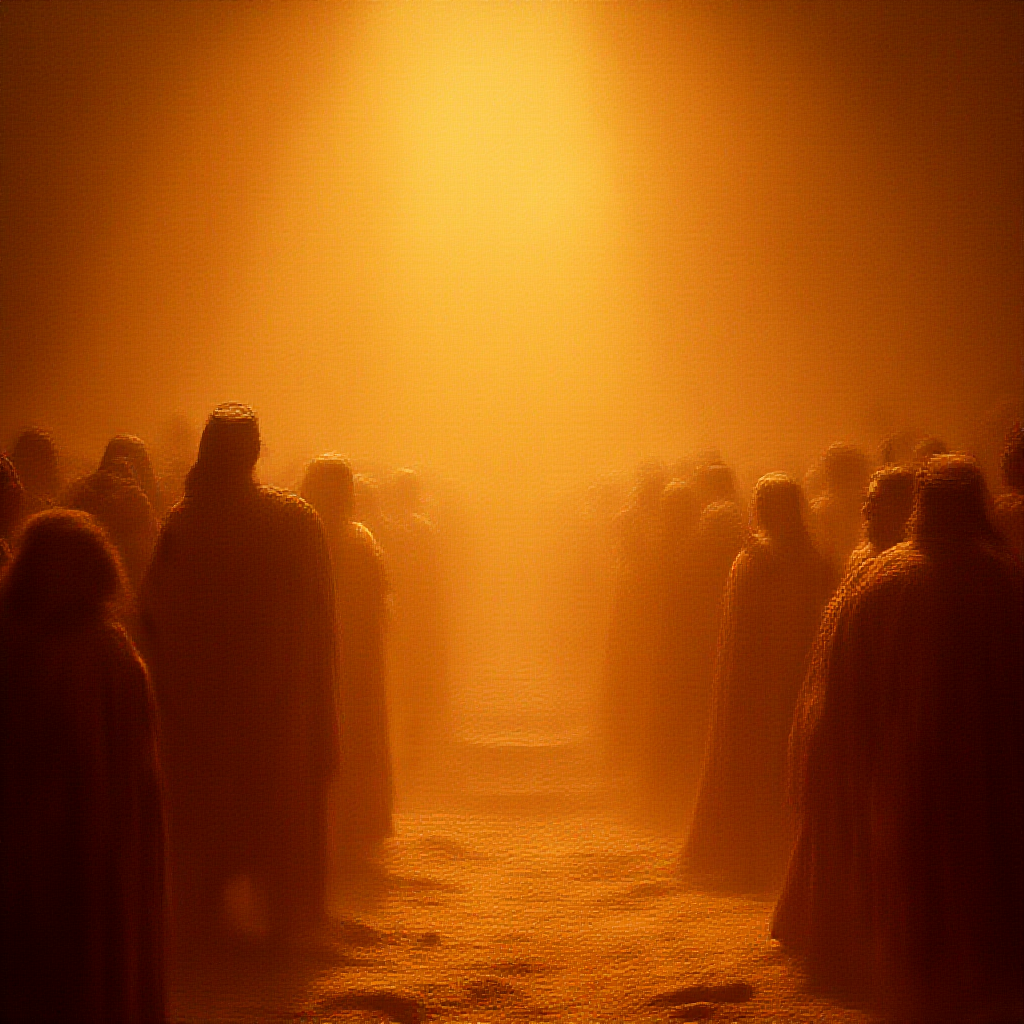
In 538 BC, Cyrus the Great of Persia conquered Babylon and issued a decree allowing the Jewish exiles to return to Jerusalem and rebuild the Temple. This decree fulfilled the prophecy of Jeremiah that the exile would last 70 years (Jeremiah 25:11-12; 29:10) and the prophecy of Isaiah, who had named Cyrus 'my anointed' (messiah) seventy years before Cyrus was born (Isaiah 44:28; 45:1). The Cyrus Cylinder, an ancient clay document discovered in modern times, confirms the biblical account: Cyrus proclaimed freedom for all captive peoples and encouraged the return of their displaced gods.
The first group of returnees, led by Zerubbabel (governor) and Jeshua (high priest), numbered approximately 50,000. They rebuilt the altar and resumed the daily sacrifices, then laid the foundation of the Temple—though the work was soon halted by opposition from the surrounding peoples and would not resume for sixteen years. The return from exile marks a new beginning for the people of God, a 'second exodus' that the prophets had promised.
The Catholic Church sees in Cyrus an instrument of God's providence—a pagan king used by God to accomplish His redemptive purposes. The return from exile prefigures the ultimate return of God's people to their heavenly homeland. Key Scripture: 2 Chronicles 36:22-23; Ezra 1:1-4; Isaiah 44:28; 45:1; Jeremiah 29:10; CCC 62