Solomon's Wisdom and Wealth
970 BC
📖 About This Event
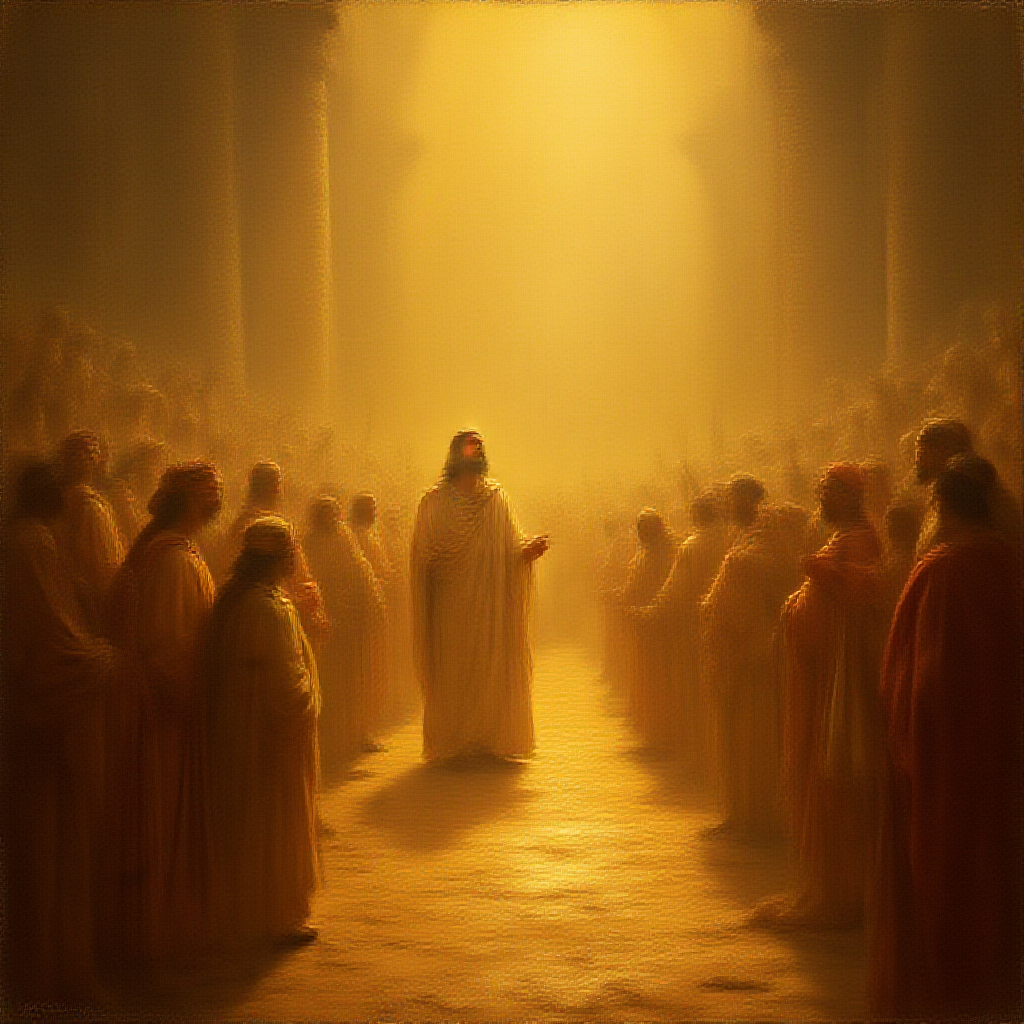
Solomon's wisdom and wealth reached heights unmatched in the ancient world. God had promised Solomon 'wealth and honor such as no king before you has had and none after you will have' (1 Kings 3:13), and this promise was fulfilled. Solomon's wisdom attracted visitors from every nation. The Queen of Sheba came 'with a very great retinue, with camels carrying spices and very much gold and precious stones' to test Solomon with hard questions, and 'there was nothing hidden from the king that he did not explain to her' (1 Kings 10:1-13). She declared, 'The report was true that I heard in my own land about your words and your wisdom.'
Solomon's literary output was enormous: 'He spoke 3,000 proverbs, and his songs were 1,005. He spoke of tree, from the cedar that is in Lebanon to the hyssop that grows out of the wall. He also spoke of beasts and birds and creeping things and fishes' (1 Kings 4:32-33). The Book of Proverbs, Ecclesiastes, and the Song of Solomon are traditionally attributed to him.
However, Solomon's later years were marked by spiritual decline. His many foreign wives (700 wives and 300 concubines) turned his heart after other gods, and he built high places for Chemosh, Molech, and Ashtoreth. The Catholic Church sees in Solomon's rise and fall the danger of worldly success without continued fidelity to God. Key Scripture: 1 Kings 3-10; 11:1-13; Proverbs 1:1; Ecclesiastes 1:12-18; CCC 156