Return from Exile — First Group
536 BC
📖 About This Event
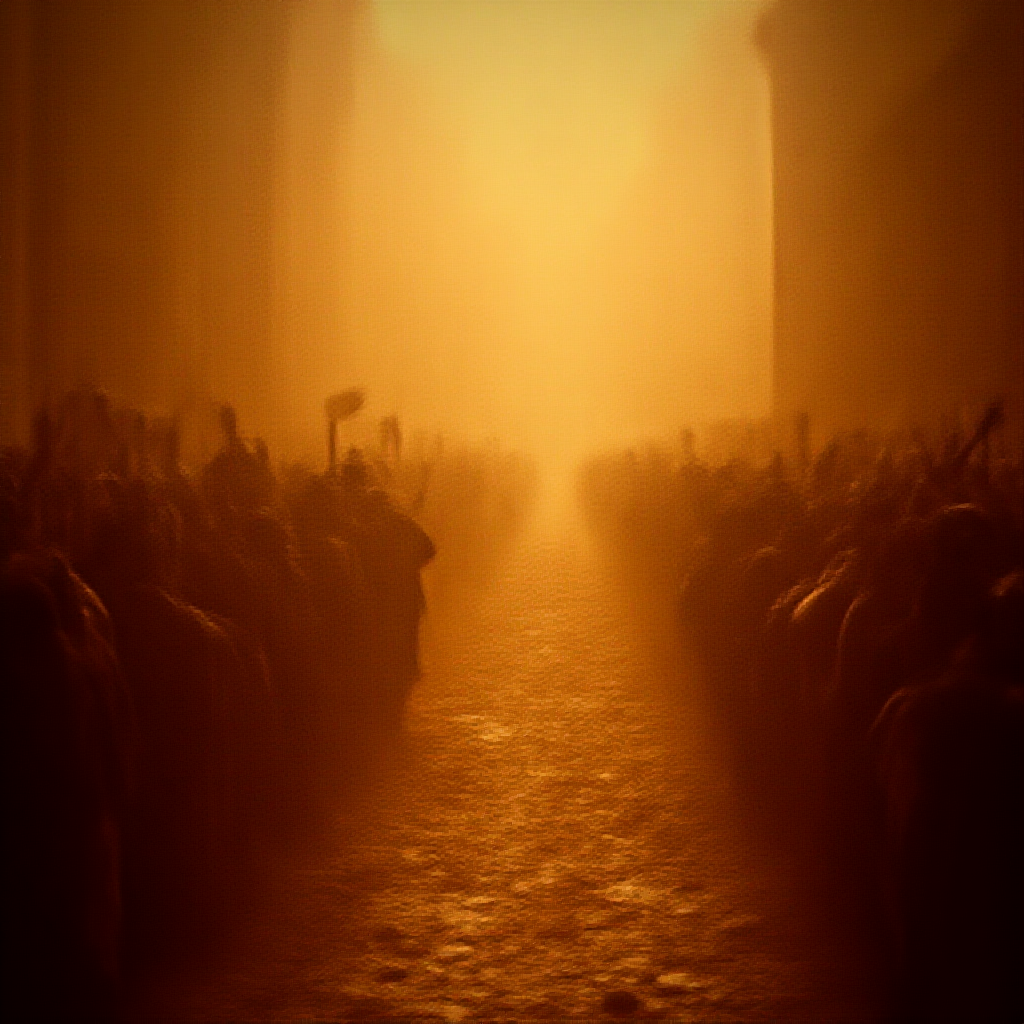
In 536 BC, following Cyrus the Great's conquest of Babylon and his edict of religious freedom, the first group of Jewish exiles returned to Jerusalem under the leadership of Zerubbabel, the governor, and Jeshua, the high priest. The Book of Ezra records that approximately 49,897 exiles, plus 7,337 servants and 200 singers, made the long journey from Babylon to Jerusalem. They brought with them vessels of gold and silver that Nebuchadnezzar had taken from the Temple, as well as voluntary offerings from their fellow exiles who remained in Babylon.
The returnees first rebuilt the altar on its former site and resumed the daily sacrifices. They celebrated the Feast of Tabernacles and then laid the foundation of the Temple. The older men who had seen Solomon's Temple wept at the sight of the foundation, while others shouted for joy. But opposition from the surrounding peoples—Samaritans, Babylonians, and others—halted the work, and the people became discouraged. The Temple remained unfinished for sixteen years until the prophets Haggai and Zechariah stirred the people to resume the work.
The Catholic Church sees in the return from exile God's faithfulness to His promises—a new beginning for His people after the deepest darkness of judgment. Key Scripture: Ezra 1-3; Haggai 1; Zechariah 4; 2 Chronicles 36:22-23; CCC 62