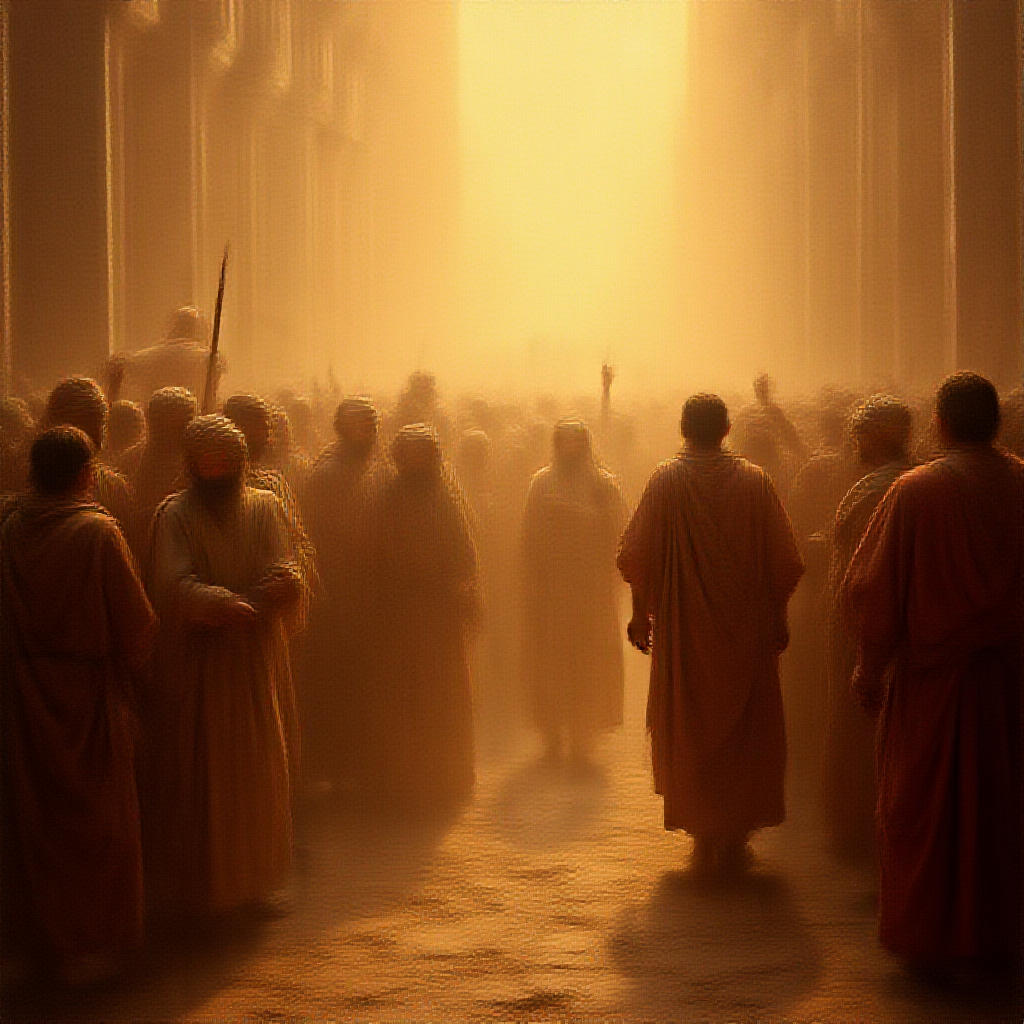
Ezra Leads Second Return
458 BC
📖 About This Event
In 458 BC, Ezra, a priest and scribe, led a second group of Jewish exiles back to Jerusalem from Babylon, seventy years after the first deportation. Ezra was 'a ready scribe in the law of Moses that the Lord God of Israel had given' (Ezra 7:6), and he traced his priestly lineage back to Aaron. King Artaxerxes I of Persia supported Ezra's mission, granting him authority to appoint magistrates and judges, and providing funds for the Temple. Ezra's primary mission was religious and educational: to teach the law of the Lord and to reform the spiritual life of the returned exiles.
Ezra's journey from Babylon to Jerusalem took four months, during which he and the people fasted and prayed for protection rather than requesting an armed escort from the king. Upon arrival, Ezra discovered that many of the returned exiles had intermarried with the surrounding pagan peoples, violating the law of Moses. He tore his clothes in grief and called for an assembly, and the people agreed to separate from their foreign wives.
The Catholic Church sees in Ezra the model of a teacher of God's law—a priest-scribe who combines theological knowledge with pastoral commitment. His dedication to the study and teaching of Scripture prefigures the role of the Catholic priesthood. Key Scripture: Ezra 7-10; Nehemiah 8; 1 Esdras; CCC 82