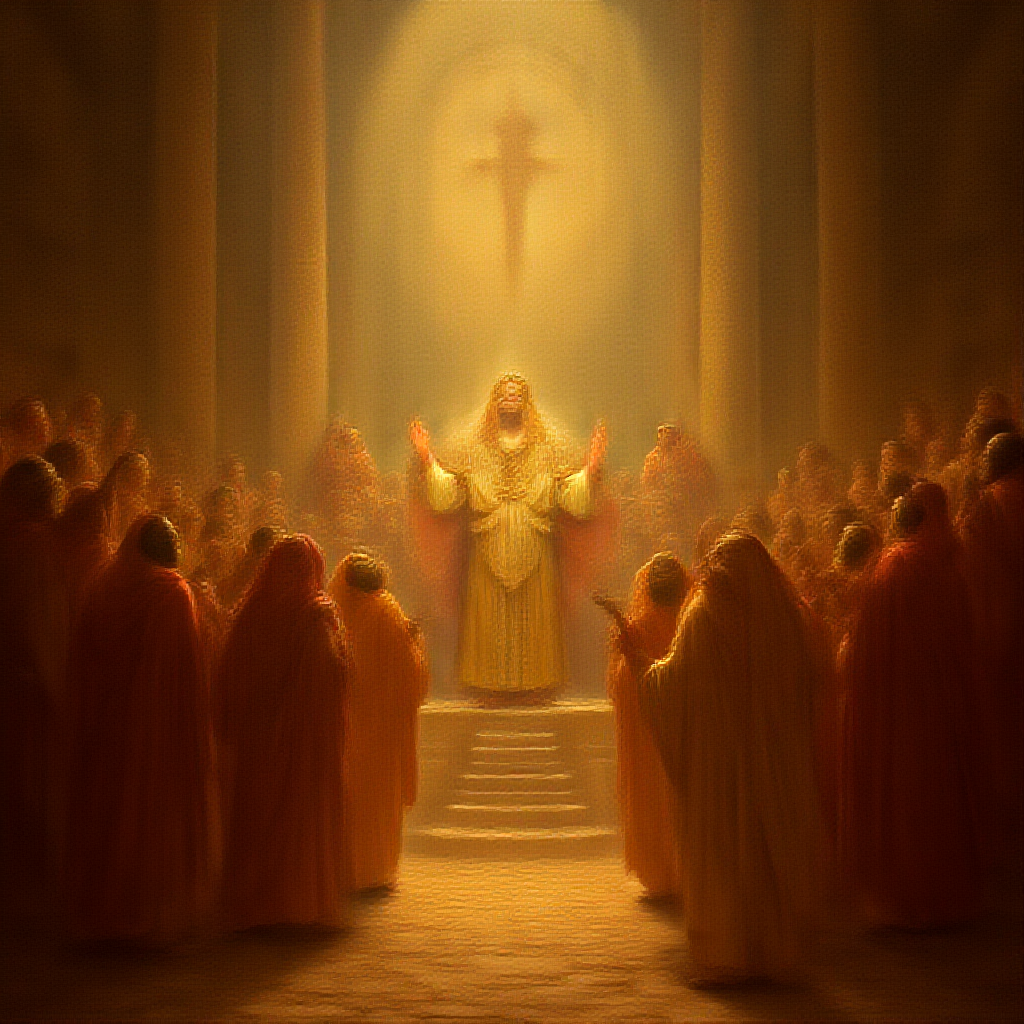
Vatican II Opens
1962 AD
📖 About This Event
Pope John XXIII (Angelo Roncalli) opened the Second Vatican Council on October 11, 1962, with over 2,500 bishops and representatives from around the world in attendance. John XXIII had announced the council in his encyclical Humani Generis and his impromptu announcement on January 25, 1959, surprising the Vatican hierarchy. His goal was not to condemn modern errors but to 'open the windows' of the Church and let in fresh air—a process he called aggiornamento (updating). The council would produce four constitutions, nine decrees, and three declarations that would reshape the Catholic Church's relationship with the modern world.
Vatican II's most significant documents include: Lumen Gentium (Dogmatic Constitution on the Church), which redefined the Church as the People of God; Sacrosanctum Concilium (Constitution on the Sacred Liturgy), which allowed the use of vernacular languages in the Mass; Dei Verbum (Dogmatic Constitution on Divine Revelation), which elevated the role of Scripture; and Gaudium et Spes (Pastoral Constitution on the Church in the Modern World), which addressed the Church's relationship with contemporary society.
The council also promoted ecumenism (Nostra Aetate), religious freedom (Dignitatis Humanae), and the dignity of the layperson. Pope John XXIII died in 1963, and Pope Paul VI completed the council in 1965. Key Scripture: John 17:20-23; Matthew 28:19-20; Acts 2; CCC 884-888