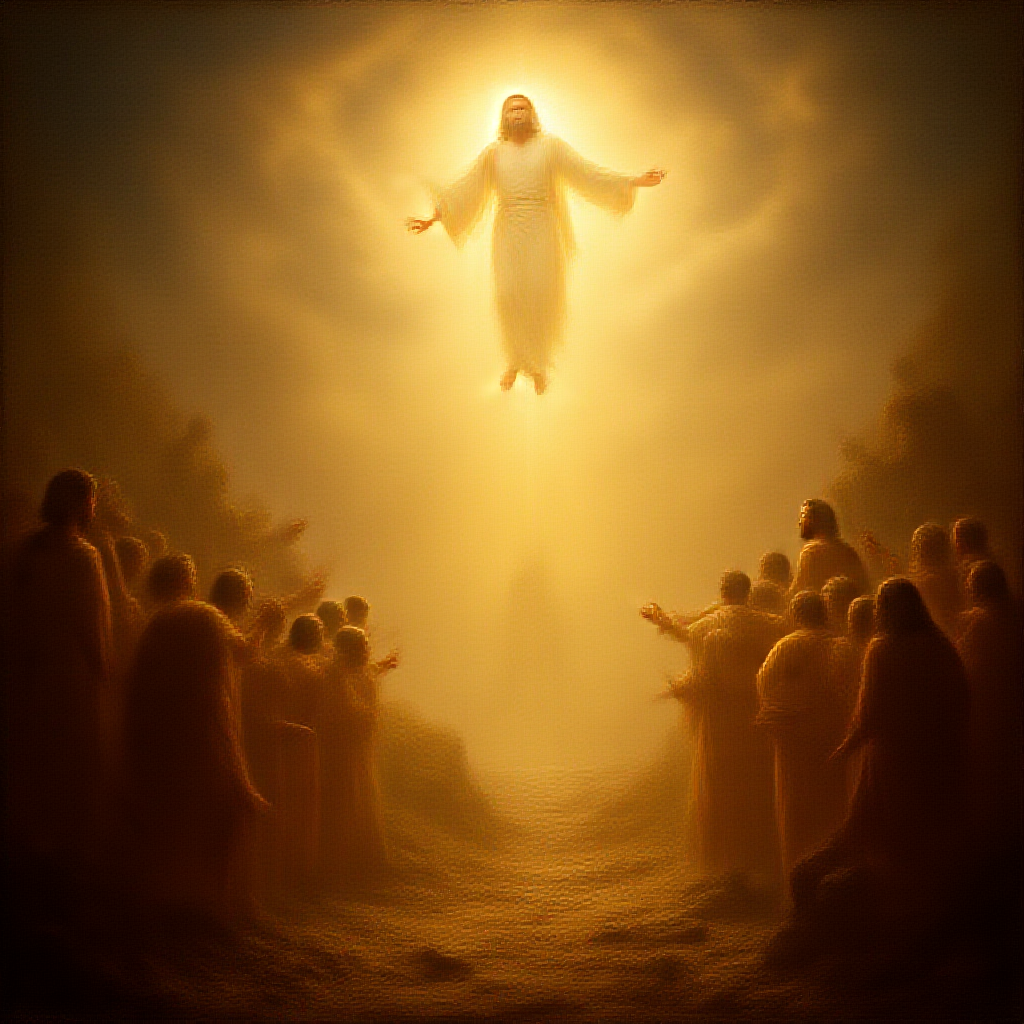
Daniel's Visions
605 BC
📖 About This Event
Daniel's visions, recorded in chapters 7-12 of the Book of Daniel, are among the most significant apocalyptic literature in the Old Testament. Unlike the first half of Daniel, which is written in narrative form, the second half consists of prophetic visions received by Daniel during the Babylonian exile and the Persian period. These visions reveal God's sovereign plan for the nations and the ultimate triumph of His kingdom.
Daniel's most famous vision is that of the four great beasts (Daniel 7), representing four successive empires: Babylon (lion), Media (bear), Persia (leopard), and a fourth empire (a terrifying beast with iron teeth and ten horns, generally identified as Greece or Rome). Out of the tenth horn comes a little horn that speaks blasphemies, but 'the Ancient of Days took his seat, and his judgment was rendered; and the dominion of the beast was taken away, and his body was destroyed and given over to be burned with fire.' Then 'one like a son of man, coming with the clouds of heaven' was given 'dominion and glory and a kingdom, that all peoples, nations, and languages should serve him; his dominion is an everlasting dominion, which shall not pass away, and his kingdom one that shall not be destroyed' (Daniel 7:13-14).
The Catholic Church sees in Daniel's 'son of man' a direct prophecy of Jesus Christ, who identified Himself as the Son of Man (Mark 14:62). Daniel's vision of the everlasting kingdom prefigures the kingdom of God that Christ established. Key Scripture: Daniel 7; Daniel 2:34-45; Daniel 8-12; Mark 14:62; Revelation 1:13-16; CCC 67