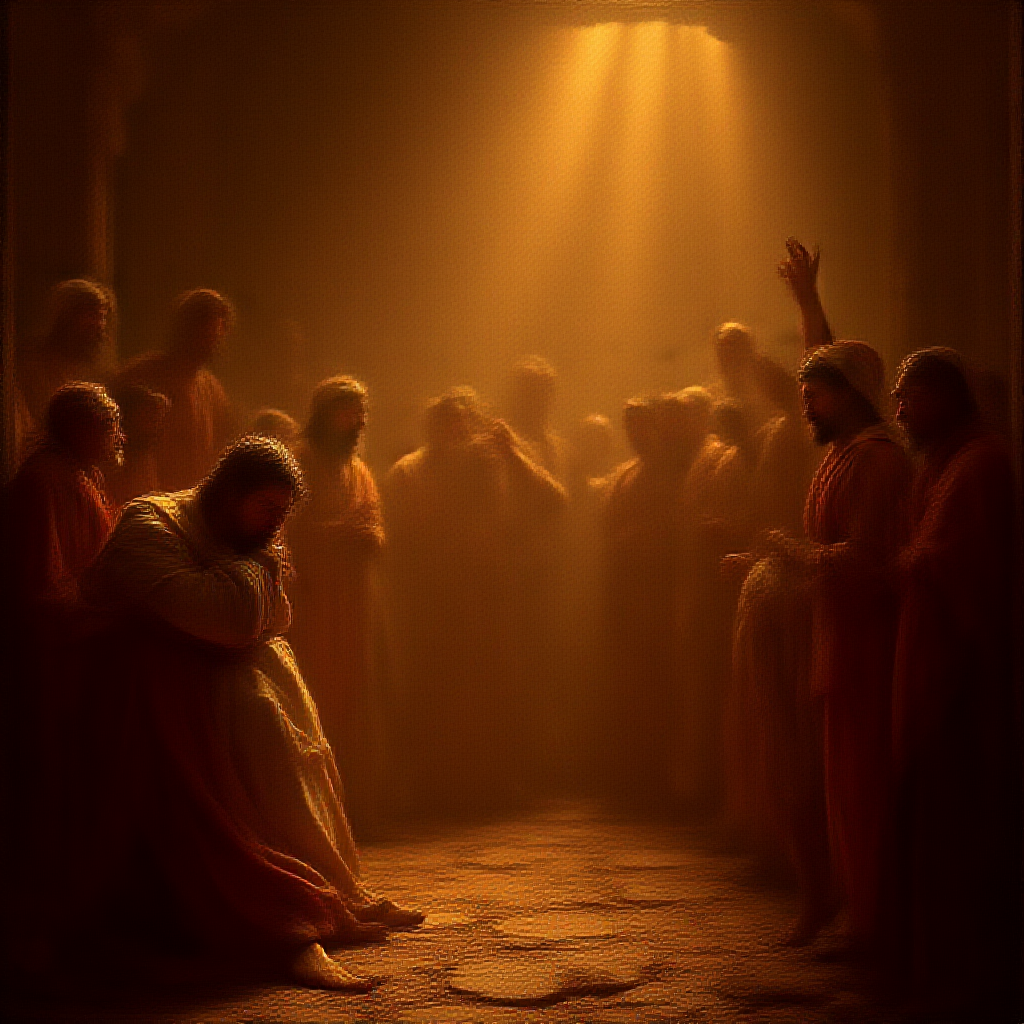
Lamentations of Jeremiah
586 BC
📖 About This Event
The Book of Lamentations, traditionally attributed to the prophet Jeremiah, is a collection of five poetic elegies mourning the destruction of Jerusalem in 586 BC. Each of the first four chapters is an acrostic poem — the verses follow the order of the Hebrew alphabet — demonstrating remarkable literary discipline in the face of overwhelming grief. The fifth chapter has 22 verses (the number of letters in the Hebrew alphabet) but without the acrostic pattern, perhaps symbolizing the breakdown of order.
The Lamentations describe the horrors of the siege: 'The roads of the city mourn, for no one comes to the feast. All her gates are desolate; her priests groan; her young women groan, and she is in bitterness' (Lamentations 1:4). Jeremiah weeps for the suffering of God's people, yet he does not doubt God's faithfulness: 'The steadfast love of the Lord never ceases; his mercies never come to an end; they are new every morning; great is your faithfulness' (Lamentations 3:22-23).
The Catholic Church reads Lamentations during Holy Week, especially on Good Friday, connecting the destruction of Jerusalem with the Passion of Christ, who himself wept over Jerusalem. The book teaches that lament is a legitimate form of prayer — bringing our grief honestly before God while maintaining hope in His mercy. Key Scripture: Lamentations 1-5; Matthew 23:37-39