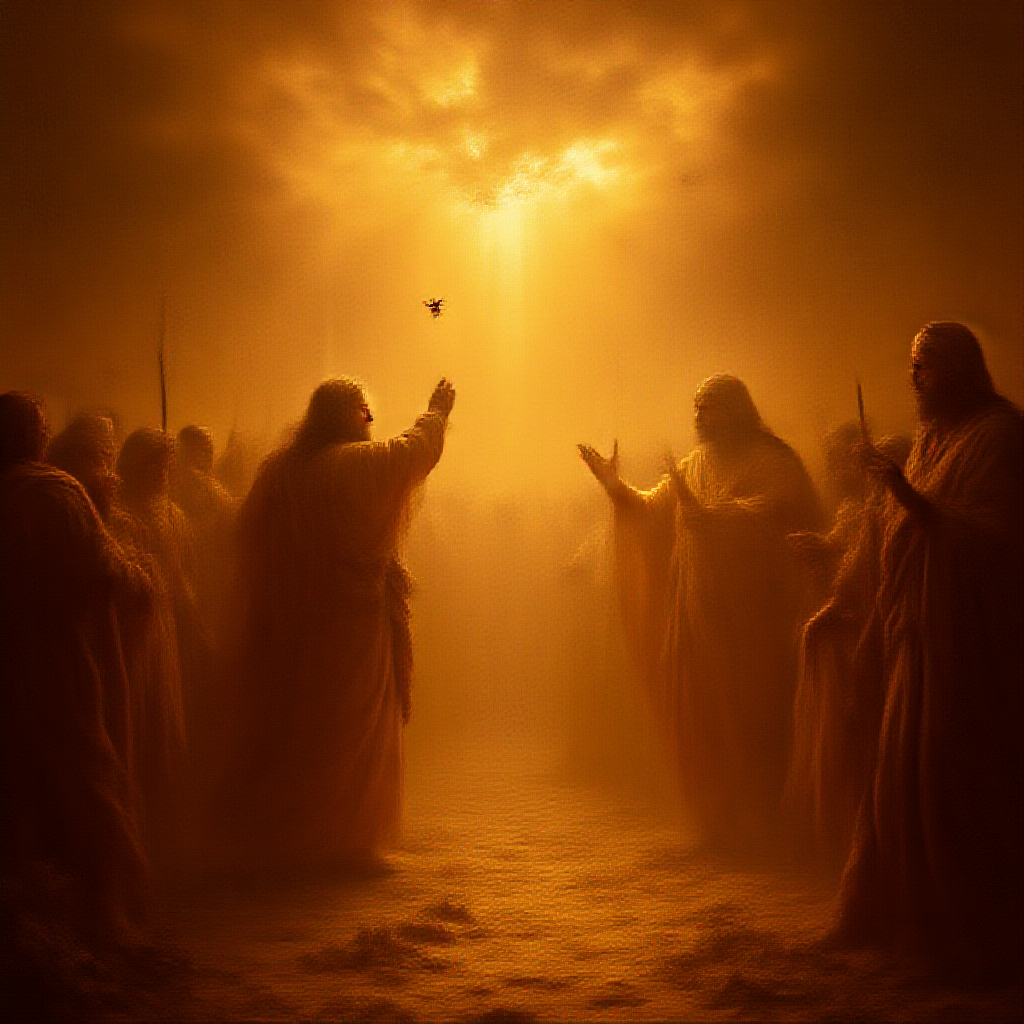
Martyrdom of St. Paul
67 AD
📖 About This Event
St. Paul (originally Saul of Tarsus) was beheaded in Rome around 67 AD during the reign of Nero. His transformation from zealous persecutor of the Church to its greatest missionary is one of the most dramatic conversions in history. On the road to Damascus, the risen Christ appeared to Saul, blinding him and asking, 'Saul, Saul, why do you persecute me?' (Acts 9:4). After three days of blindness, Saul was baptized and began to proclaim Jesus as the Son of God.
Paul's missionary journeys covered thousands of miles across the Mediterranean world. He established churches in Antioch, Philippi, Thessalonica, Corinth, Ephesus, and many other cities. He wrote 13 letters (epistles) that form a significant portion of the New Testament, addressing theological questions, pastoral concerns, and ethical instruction. He was imprisoned multiple times, shipwrecked, stoned, and beaten, yet he persevered: 'I have fought the good fight, I have finished the race, I have kept the faith' (2 Timothy 4:7).
Paul's Roman citizenship spared him the shame of crucifixion; he was executed by beheading, a quicker and more dignified death. The Catholic Church honors St. Paul as the Apostle to the Gentiles and one of the greatest theologians in Christian history. Key Scripture: Acts 9; Acts 22; Acts 26; Romans; Philippians 3; 2 Timothy 4:6-8; CCC 78-79