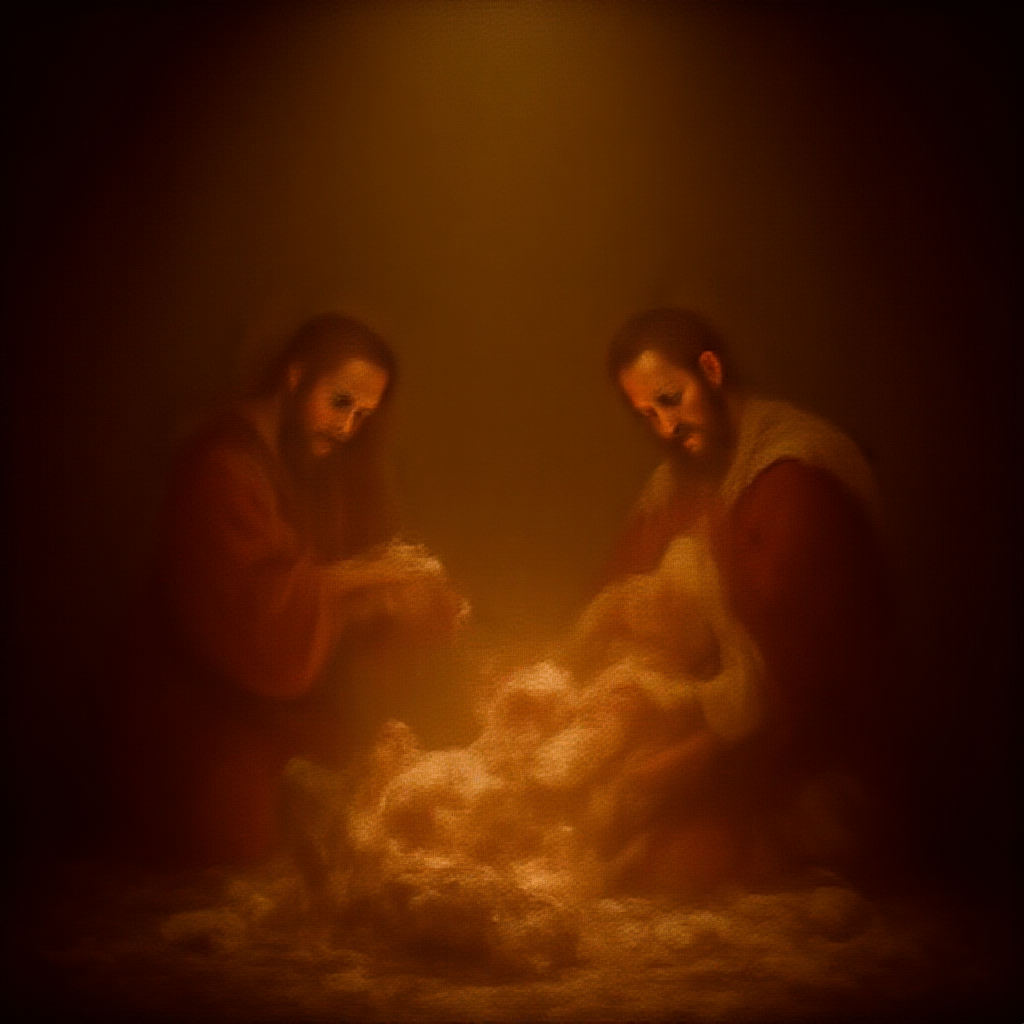
Jacob Receives the Birthright
1890 BC
📖 About This Event
Jacob's acquisition of Esau's birthright is one of the most dramatic episodes in the patriarchal narratives. Genesis 25:29-34 records that Esau came in from the field one day, famished, and found Jacob cooking lentil stew. Esau demanded, 'Let me at once drink some of that red stuff, for I am famished'—and Jacob's name would later be reflected in the red stew. Jacob exploited his brother's desperation: 'Sell me your birthright now.' Esau's dismissive reply—'I am about to die; of what use is a birthright to me?'—reveals his contempt for spiritual inheritance. Esau swore an oath and sold his birthright for a single meal.
The birthright (Hebrew: bekorah) carried significant legal and spiritual weight. The firstborn son received a double portion of the inheritance (Deuteronomy 21:17) and held the position of family leadership. More importantly, the birthright carried the blessing of the patriarchal covenant—the promise that God's chosen line would pass through this son. By selling his birthright, Esau effectively rejected his role in God's plan of salvation.
The Catholic Church sees in Esau's rejection of the birthright a warning against treating spiritual blessings as trivial. The author of Hebrews describes Esau as 'irreligious' (Hebrews 12:16) for despising his inheritance, and St. Paul cites him as an example of God's sovereign election. Key Scripture: Genesis 25:29-34; Hebrews 12:16-17; Romans 9:10-13; CCC 2578