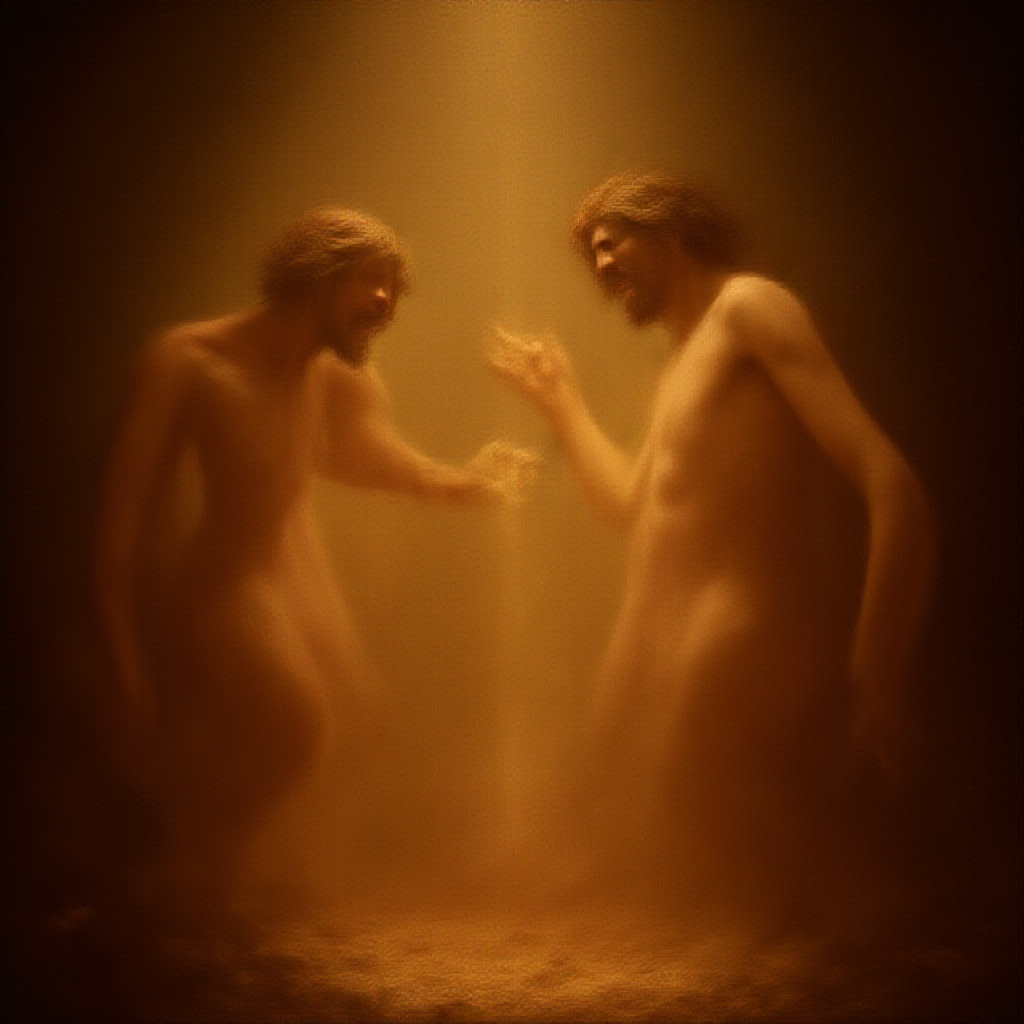
Creation of Eve
4004 BC
📖 About This Event
From the rib of Adam, God formed the first woman, Eve. While Adam slept, God took one of his ribs and closed up its place with flesh. He brought the woman to the man, and Adam declared, 'This at last is bone of my bones and flesh of my flesh; she shall be called Woman, because she was taken out of Man' (Genesis 2:23). Eve's name (Hebrew: chavah) means 'living one' or 'mother of all living.' Her creation from Adam's side rather than his feet or head signifies equality and companionship—not inferiority nor superiority, but partnership in the work of creation and the mission of stewardship over the earth.
Eve's creation establishes the foundation for the Catholic understanding of marriage and human sexuality. The two become 'one flesh,' a union that the Church sees as a sacramental sign of the union between Christ and His Church. Jesus Himself appealed to the creation account when teaching about the indissolubility of marriage: 'Have you not read that he who made them from the beginning made them male and female, and said, "Therefore a man shall leave his father and his mother and hold fast to his wife, and the two shall become one flesh"? So they are no longer two but one flesh' (Matthew 19:4-6).
In Catholic theology, Eve also prefigures the Blessed Virgin Mary. As Eve was the mother of all living through her cooperation with the Fall, so Mary is the New Eve, the mother of all the living through her cooperation with redemption. St. Irenaeus of Lyons developed this typology extensively. Key Scripture: Genesis 2:21-25; Matthew 19:4-6; Ephesians 5:31-32; CCC 362-363, 1604-1606