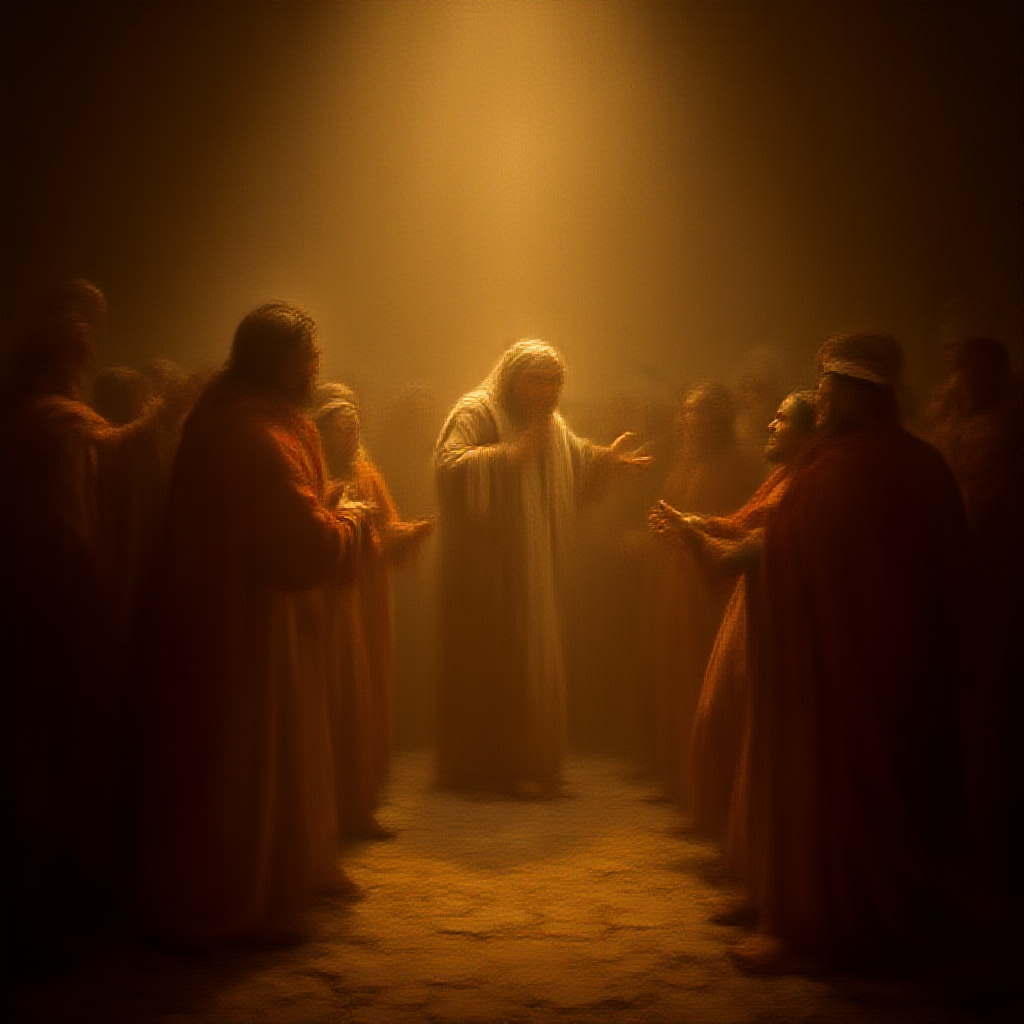
Jeremiah Begins Prophecy
607 BC
📖 About This Event
Jeremiah, known as the 'weeping prophet,' began his prophetic ministry in 627 BC during the thirteenth year of King Josiah's reign. Called by God from the womb (Jeremiah 1:5), Jeremiah was sent to prophesy judgment on Judah for its persistent idolatry and covenant unfaithfulness. His message was unwelcome: he called for surrender to Babylon as God's instrument of judgment, a message that was treated as treason by the political and religious leaders of Judah.
Jeremiah's ministry spanned approximately 40 years, covering the reigns of Josiah, Jehoahaz, Jehoiakim, Jehoiachin, and Zedekiah. He was imprisoned, beaten, thrown into a cistern, and threatened with death. He was forbidden to marry or participate in celebrations. Yet he persisted, declaring: 'If I say, "I will not mention him or speak any more in his name," his word is in my heart like a fire, a fire shut up in my bones; I am weary of holding it in, and I cannot' (Jeremiah 20:9).
Jeremiah also prophesied the New Covenant: 'Behold, the days are coming, declares the Lord, when I will make a new covenant with the house of Israel and the house of Judah... I will put my law within them, and I will write it on their hearts' (Jeremiah 31:31-33). At every Mass, the Catholic Church proclaims these words at the institution narrative. Key Scripture: Jeremiah 1; Jeremiah 31:31-34; Luke 22:20; Hebrews 8:8-12; CCC 79-80