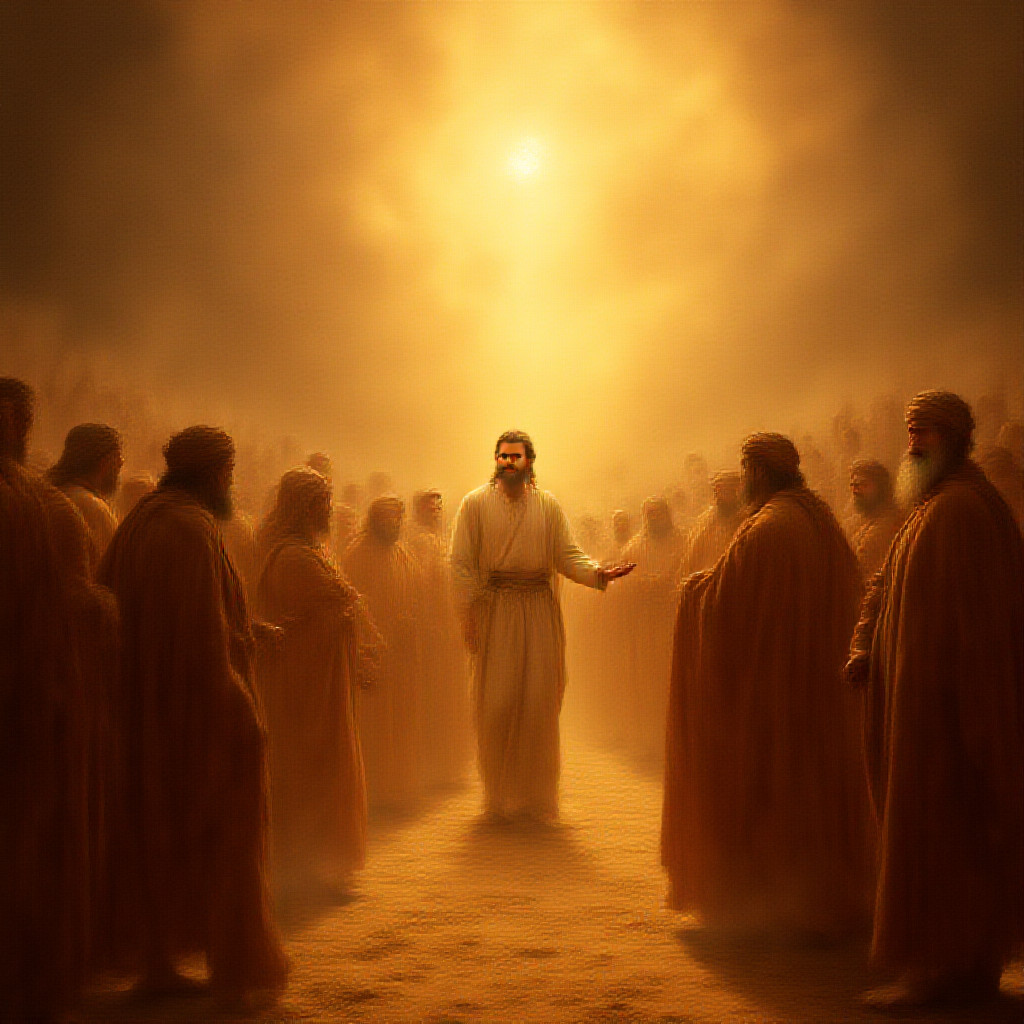
Prophet Hosea
760 BC
📖 About This Event
The Prophet Hosea, son of Beeri, prophesied to the northern kingdom of Israel during the reign of Jeroboam II (approximately 750-725 BC), a time of apparent prosperity but deep spiritual corruption. God commanded Hosea to marry Gomer, a woman who would be unfaithful to him, as a living symbol of Israel's spiritual adultery. 'Go, love a woman who is a lover and has lovers,' God said, 'for the land commits great adultery by forsaking the Lord' (Hosea 1:2). Hosea's marriage was a prophetic enactment: just as Gomer was unfaithful to Hosea, so Israel was unfaithful to Yahweh by worshipping Baal and other gods.
Hosea's prophecy is one of the most emotional and personal in the Old Testament. God speaks of His love for Israel in terms of a husband's love for his unfaithful wife: 'I will allure her; I will lead her into the wilderness and speak tenderly to her... I will give her her vineyards from there, and the Valley of Achor as a door of hope' (Hosea 2:14-15). Despite Israel's repeated infidelity, God's love remains steadfast. 'How can I give you up, O Ephraim? How can I hand you over, O Israel?... My heart recoils within me; my compassion grows warm and tender' (Hosea 11:8-9).
The Catholic Church sees in Hosea a profound picture of God's merciful love—a love that pursues the unfaithful, redeems the prodigal, and restores the brokenhearted. Key Scripture: Hosea 1-3; Hosea 11:8-9; Hosea 14:4-9; CCC 284, 1422