First Babylonian Exile
597 BC
📖 About This Event
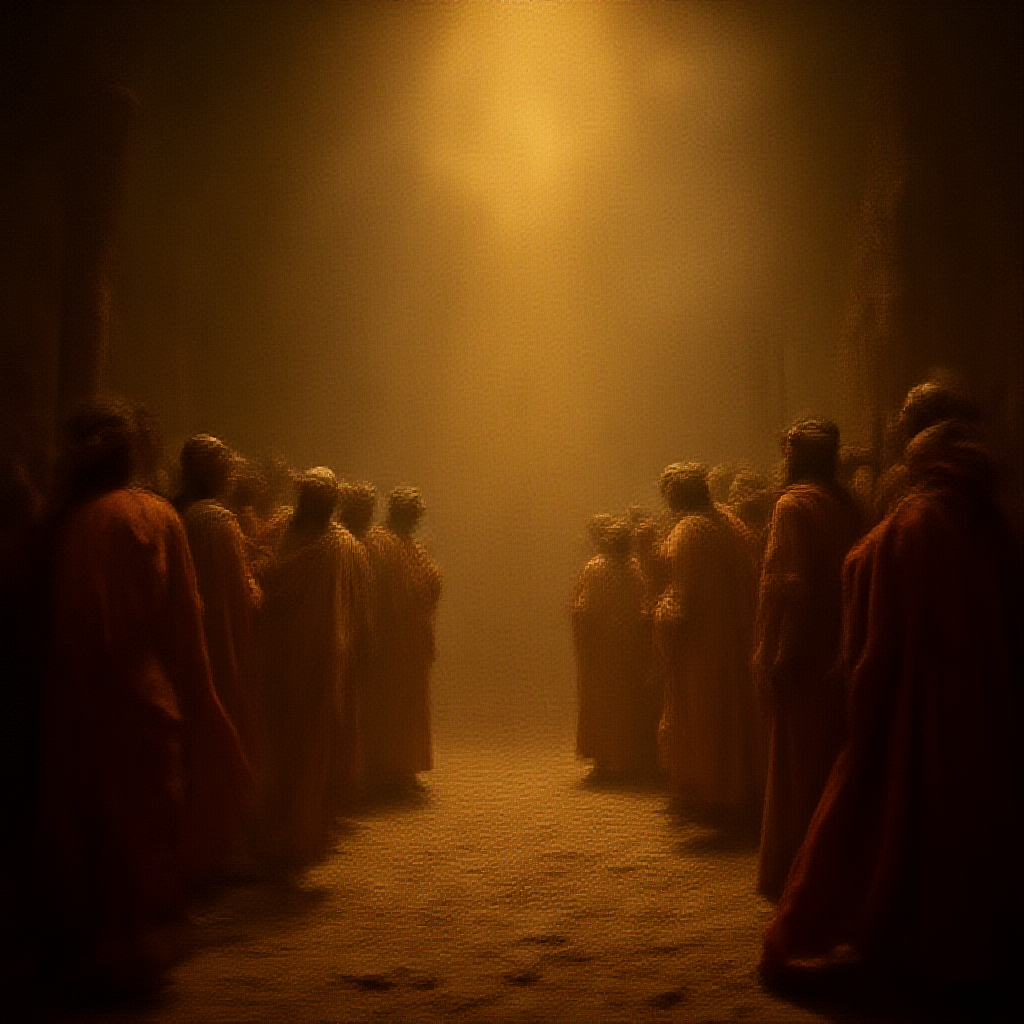
In 597 BC, Nebuchadnezzar II of Babylon besieged Jerusalem for the first time. King Jehoiachin, who had reigned only three months, surrendered along with his mother, his court officials, his captains, and the chief craftsmen of Jerusalem—approximately 10,000 of the elite of Judah. Among those deported were Ezekiel, Daniel, and his friends. This first deportation marked the beginning of the Babylonian Exile, a period that would last approximately 70 years and fundamentally reshape Jewish identity and theology.
The exile was a theological earthquake for the people of Israel. How could Yahweh, who had promised to dwell forever in the Temple, allow it to be threatened? How could the chosen people be defeated by pagan nations? The prophets—Jeremiah, Ezekiel, and the suffering servant of Isaiah—answered that the exile was the consequence of covenant disobedience, but also that it was not the end. God would restore His people, rebuild the Temple, and establish a New Covenant written on the heart rather than on stone.
The psalmist mourned: 'By the rivers of Babylon, there we sat down; yea, we wept when we remembered Zion. On the willows within that land we hung up our harps' (Psalm 137:1-2). Yet even in exile, the people of God discovered that their identity was not tied to a land or a temple, but to their covenant relationship with Yahweh. Key Scripture: 2 Kings 24:10-17; Jeremiah 29; Ezekiel 1:1-3; Psalm 137; CCC 61-62