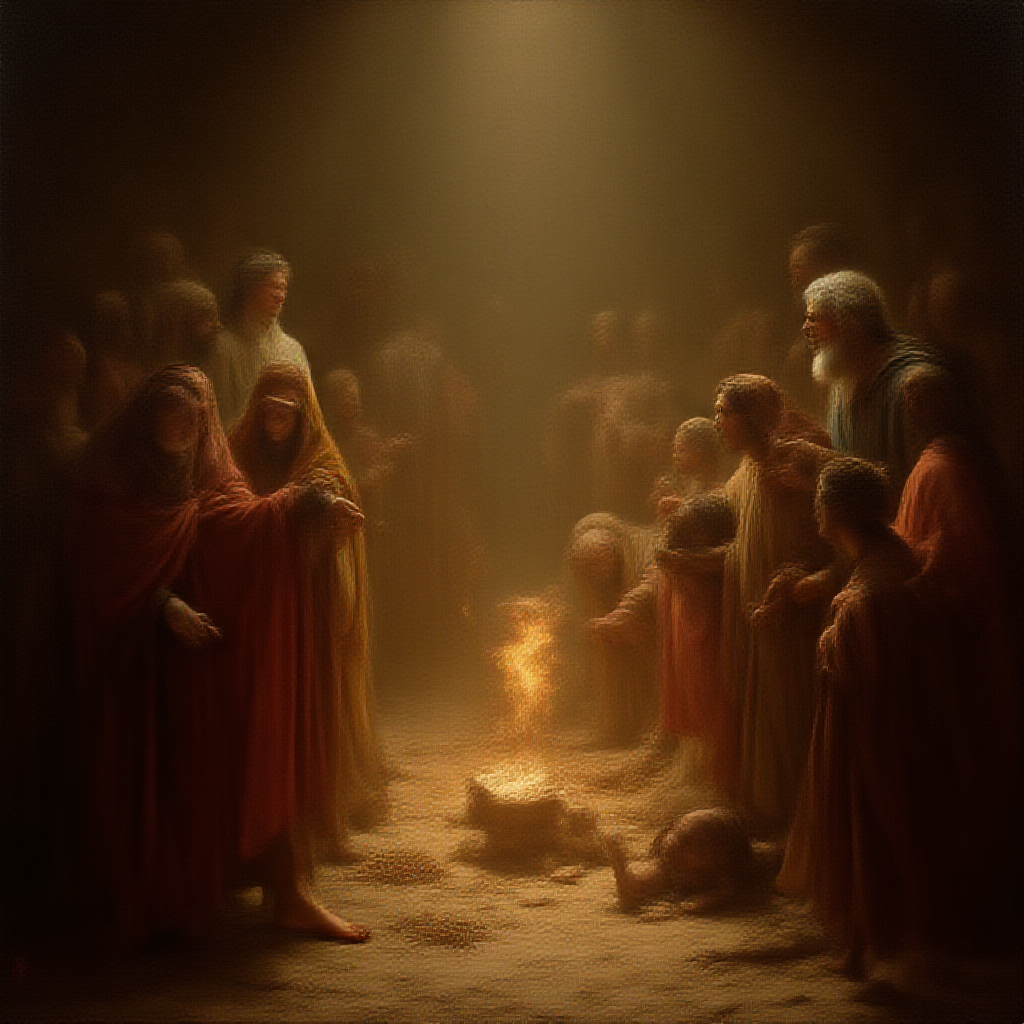
Crucifixion and Resurrection
33 AD
📖 About This Event
The Crucifixion and Resurrection of Jesus Christ is the central event of all history and the heart of the Christian faith. On Good Friday, Jesus was arrested, tried before the Sanhedrin, condemned by Pontius Pilate, scourged, crowned with thorns, and crucified at Golgotha (the Place of the Skull). Between two criminals, He hung on the cross for six hours, bearing the weight of the world's sin. His final words—'It is finished' (John 19:30)—declare the completion of His redemptive work. He entrusted His mother to the beloved disciple, offered forgiveness to the penitent thief, and cried out, 'My God, my God, why have you forsaken me?' before giving up His spirit.
On Easter Sunday, three days after His death, the tomb was found empty. The Resurrection is attested by multiple witnesses: Mary Magdalene, the other Mary, Joanna, Peter, the two disciples on the road to Emmaus, Thomas, and the apostles gathered together. The Risen Christ appeared to more than 500 brothers at once (1 Corinthians 15:6). The Resurrection is not a metaphor or a spiritual experience—it is the physical, bodily resurrection of Jesus, transforming His glorified body while retaining the marks of the crucifixion.
The Catholic Church celebrates the Paschal Mystery—the death and resurrection of Christ—at every Mass. Through the Eucharist, the one sacrifice of Calvary is made present, and believers share in the life of the Risen Lord. St. Paul declares: 'If Christ has not been raised, then our preaching is in vain and your faith is in vain' (1 Corinthians 15:14). Key Scripture: Matthew 27; Mark 15; Luke 23; John 19; 1 Corinthians 15; Romans 6:3-11; CCC 600-659